Library › Guides › Monster Lovers & Romance
Why Are People Attracted to Monsters? Five Honest Explanations
By Metavulgar · updated 2026-11-11 · 6 min read
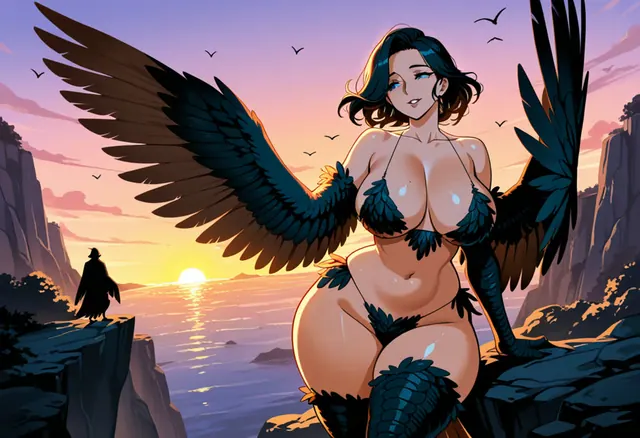
Why are people attracted to monsters? In fiction, the reasons most often given are otherness, power paired with gentleness, the safety of fantasy, transformation and acceptance. None of these is a diagnosis. They are explanations that readers, critics and creators repeat because they match what people actually feel when a lamia, a werewolf or a succubus becomes the love interest of a story.
I am a performer, not a psychologist, so I will not claim research I have not read. What I can offer is what the commentary around monster romance says, what a small survey of readers reported, and what I notice from the voice side of the microphone. Where a claim is an opinion, I say so. If you would rather hear it than read it, Start Here is five sessions, one monster each, and a good way to find out which explanation fits you.
What the sources actually say
Critics and authors writing about monster romance offer similar themes: readers like looking past appearance to the person underneath, they like exploring forbidden or unusual desires in a safe way, and they like that the fantasy element stretches an already fantastical genre. A master's thesis that surveyed 176 readers of the genre found that readers use it to explore non-normative identities and desires while working through cultural stigma. That is one small study, so treat it as a clue, not a rule. I have not seen reliable statistics on how many people enjoy monster fiction, and I will not invent any.
Explanation 1: otherness is exciting
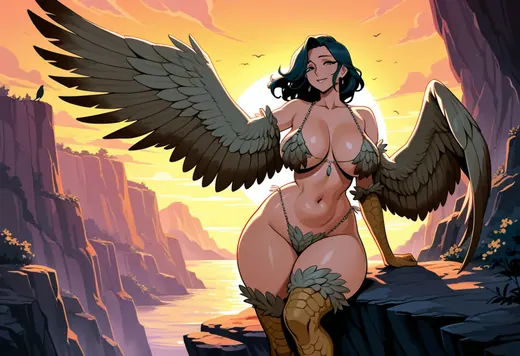
A monster is, by definition, outside the usual. A lamia moves differently, a kitsune thinks differently, an eldritch being does not think in human terms at all. For many readers, that difference is the draw: it breaks the sameness of ordinary romance. Curiosity is a form of desire. The lover who is not like anyone you have met keeps you attentive.
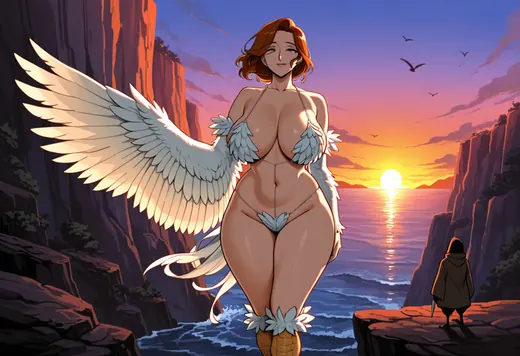
In fiction that otherness comes with specifics. A harpy's wings, a slime girl's translucence, a werewolf's scent-sense: each is a physical rule the story can use. See monster girl types for the range.
Explanation 2: power and gentleness together
A being who could overwhelm you chooses to be soft. That contrast is the engine of a large part of the genre. The danger is real inside the story (claws, coils, fangs), and the care is the answer to it. Readers describe it as being protected by something strong.
This is also why monster stories pair so well with trust arcs. The lead earns trust slowly; the monster shows what she keeps beneath her threat. In audio the same effect comes from tone: a low voice that does not use its force. The same dynamic runs through monster girl yandere and werewolf girlfriend trope.
Explanation 3: fantasy is safe
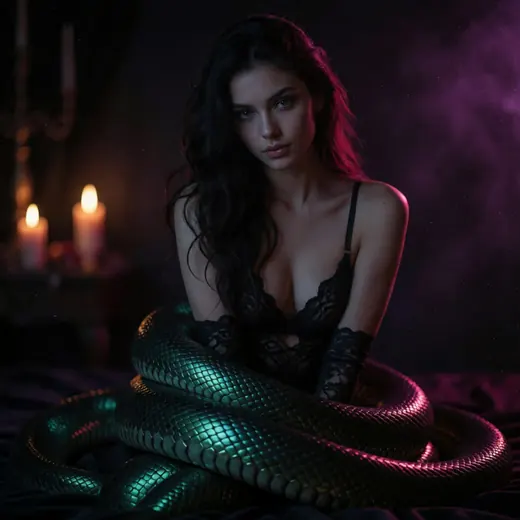
Some desires are easier to explore when nothing real is at stake. A story about being claimed by a dragon, held by a lamia or taken in by a kitsune lets a reader feel the emotion (being wanted, being kept, giving up control) without any real-life consequence. The fantasy is bounded: you pick it, you stop it, you leave it.
That boundary matters, and I keep it explicit in my sessions. Captivity, possession and claiming are consensual fiction, played between adults and framed as such. They are not advice and not a model for relationships. For the craft side, see cursed and captured tropes.
Explanation 4: transformation is hopeful
Many monster stories are about change: a curse breaks, a creature becomes more herself, a human learns to live in another's world. Transformation is a hopeful story shape. It says that what seems monstrous may be a stage rather than a sentence. Transformation fantasy covers the sub-genre.
Explanation 5: acceptance
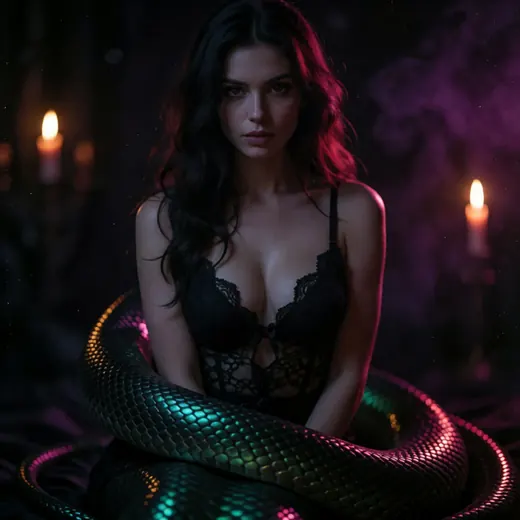
Perhaps the most common answer from readers is acceptance. The monster expects to be feared and is welcomed instead, and the lead is welcomed in return, flaws and all. Many people carry a sense of being slightly outside the norm, and a story where outsiders choose each other is deeply comforting.
How the explanations fit together
| Explanation | What the reader gets | Where you hear it |
|---|---|---|
| Otherness | Novelty and curiosity | Species guides, bestiary |
| Power and gentleness | Safety inside intensity | Lamia, werewolf, dragon scenarios |
| Safe fantasy | Distance from real stakes | Captive, claim and bargain tropes |
| Transformation | Hope, change | Curses, shape-shifting stories |
| Acceptance | Belonging | Kitsune, slime and harpy shelters |
Most people feel a blend of two or three. Knowing your blend helps you pick what to listen to: acceptance leads to shelter stories; power and gentleness leads to lamia and werewolf; otherness leads to eldritch and tentacle.
What it does not mean
- It does not indicate anything about the person's character or past. Fans come from every background.
- It does not apply to real creatures. The monsters in this genre are humanoid beings with speech and minds.
- It does not imply wanting danger in real life. Fiction that plays with threat is different from tolerating it in a relationship.
A short test for yourself
Think of the monster story you liked best and ask which of these you were responding to:
- Was it the strangeness (otherness)?
- Was it the way she was strong but gentle?
- Was it that nothing real could go wrong?
- Was it that something changed for the better?
- Was it that you were simply accepted?
Your answer points straight to the species and scenario to try next. For example, Hush: Held Quiet by the Snow Woman in Her Winter Lodge is acceptance in sound; Keep: Curled in the Dragon Girl's Mountain Hoard is power and gentleness.
A note on the word "monster"
In this genre, monster means other, not cruel. The best monster stories turn on the discovery that the frightening one is kind. If you want the vocabulary of the community, monsterfucker meaning explains the slang, and monster girl romance covers the story arcs that follow.
The older tradition behind it
Attraction to non-human lovers is not a new internet habit. Folk tales have fox wives, serpent brides, swan maidens and seal-women for centuries, and the Gothic novel built a whole tradition on charismatic vampires. What changed is the audience's willingness to say out loud that the monster is the point. The slang, the online communities and the audio format all follow from that: people finally have words and places for a taste that has always been there.
If you enjoy the lore, succubus lore and werewolf lore show how old some of these figures are.
What creators notice
From the performing side, a few patterns show up in the messages I receive, and I offer them as observation, not data. Listeners often say they chose a species because of one trait: the way a slime girl takes her time, the way a kitsune teases and then protects, the way a lamia's voice stays calm when everything else is dramatic. The trait is nearly always a behaviour, not a body part. People are drawn to how the monster treats the lead, which supports the acceptance and power-with-gentleness explanations above.
Another pattern is that listeners return to the same species during particular moods. A stressful week sends people to shelter stories; a restless week sends them to teasing, talk-heavy ones. The monster works as a mood tool, and the preference changes with the week rather than staying fixed.
If you want to explore the question yourself
- Write down the last three monster stories you enjoyed.
- Circle what they share: setting, tone, the lover's behaviour.
- Check the table above and see which explanation fits most.
- Try a story that matches the same explanation in a new species. If it also works, you have found the reason behind your taste.
Frequently asked questions
Why are people attracted to fictional monsters?
Common explanations are otherness (curiosity), power paired with gentleness, the safety of fantasy, hopeful transformation and acceptance. They come from readers and critics, not clinical studies, and most people feel a blend of two or three.
Is being attracted to monsters in fiction normal?
It is a common taste in fiction, with a long history in folk tales about fox wives, serpent brides and vampires. It describes a preference for fantasy stories between adults, not a statement about real life.
Why is monster romance so popular now?
Commentary points to online reader communities, self-published books and audio making the genre easy to find and share. Reader surveys suggest people use it to explore unusual desires safely. There is no reliable sales figure I can cite.
Does liking monster romance mean I like danger?
No. In most stories the danger is atmosphere and the payoff is care. Fiction that plays with threat is a controlled fantasy you can leave at any moment, which is different from tolerating danger in real life.
What monster should I try first?
Match it to the reason: acceptance suggests a slime girl or kitsune shelter; power with gentleness suggests a lamia, dragon or werewolf; otherness suggests an eldritch or tentacle story.
Listen next
Keep reading
- Monsterfucker Meaning: What the Slang Says, and Who Uses It
Monsterfucker is internet slang for someone attracted to fictional monsters, used by fans of monster romance, monster girl fiction and creature-featur - Monster Girl Romance: Books, Games, Audio and Common Arcs
Monster girl romance is fiction in which a human partner falls for an adult non-human woman: succubus, lamia, kitsune, slime, harpy. It appears in nov - Monster Girl Yandere: The Trope, Its Types and How Audio Plays It
A monster girl yandere is an adult non-human love interest whose devotion is possessive and obsessive: she claims you, guards you and will not let you