Library › Guides › Monster Girls
Monster Girl Romance: Books, Games, Audio and Common Arcs
By Metavulgar · updated 2026-11-11 · 6 min read
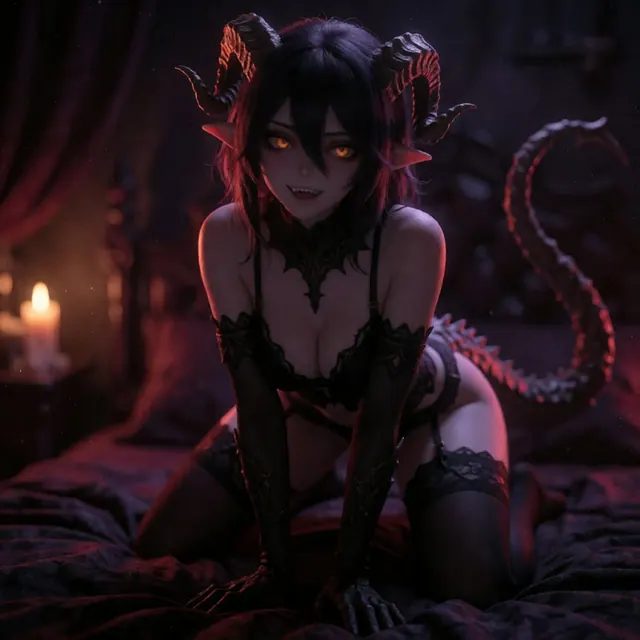
Monster girl romance is the branch of romance fiction where the love interest is a non-human woman: a succubus, a lamia, a kitsune, a slime girl, a harpy, a werewolf. The human lead falls for her, she falls for him, and the otherness is not an obstacle to be removed but the reason the story is interesting. It lives in light novels, visual novels, webcomics, self-published ebooks and, increasingly, audio fiction.
I voice these stories as Metavulgar, which gives me an unusual view of what makes the genre work: when you have to say the lines out loud, you find out quickly which ones carry feeling and which ones are only decoration. This guide covers the formats, the arcs and the reasons people come back to it. If you would rather start by listening, Start Here is five nights, one monster each.
What counts as monster girl romance
Three ingredients define it:
- A non-human heroine who stays non-human. She does not become a normal girl by the final chapter. The scales, tail, wings or fox ears remain, and the story treats them as part of her charm.
- A real relationship arc. Meeting, friction, trust, commitment. Not just a string of encounters.
- A human lead who accepts her. His acceptance is the emotional pay-off. The monster girl expects fear or rejection, and what she gets instead is welcome.
All characters are adults. A good deal of the genre leans on creatures who are centuries old, which suits the fantasy of being chosen by someone with a very long memory.
Where the genre lives
| Format | What it does well | What it lacks |
|---|---|---|
| Light novels and ebooks | Interior feeling, long arcs, worldbuilding | No voice, no physical presence |
| Visual novels and games | Choice, routes, collectible heroines | Affection becomes a number |
| Webcomics and manga | Visual design of each species | Pacing set by the page |
| Audio fiction | Voice, breath, distance, intimacy | Fewer long arcs, depends on the performer |
Audio's advantage is that romance is mostly tone. A line like "stay" means nothing on a page and everything in a voice that drops to a whisper. For the book-versus-voice comparison in detail, see monster romance books vs audio.
The common arcs
Most monster girl romances follow one of five arcs. Each has a distinct emotional engine.
The bargain that becomes a bond
She wants something (a soul, a service, company) and writes terms. The terms become more personal each chapter until the contract is plainly a love letter. This is the structure of my series The Succubus Contract, which begins with Part 1: The Summoning and keeps rewriting the clauses.
The rescue
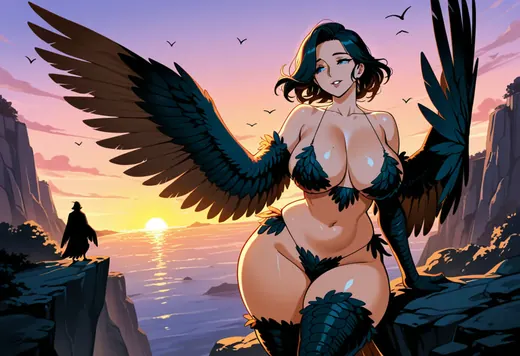
You find her wounded, cursed or caged. She is wary, you are gentle, and the trust you earn is the story. The harpy and slime girl scenarios lean on this arc.
The claim
She has already decided you are hers, and your role is to find out what that means. Possessive, warm, occasionally frightening, always told as consensual fiction. The most intense variant is covered in monster girl yandere.
The shelter
Less plot, more atmosphere. A lodge in the snow, a shrine at the top of the mountain, a glasshouse at night. You stay, she tends you. Hush: Held Quiet by the Snow Woman in Her Winter Lodge is built entirely on this.
The transformation
One of you changes. Usually it is the human learning her world, sometimes it is her softening. See transformation fantasy.
What makes the best ones work
After many hours at the microphone, these are the traits I see in the scenarios that people replay:
- Specificity. "She smells of cedar and hot wax" beats "she smells nice." Details make a monster feel like a person.
- A want that is not only you. The best heroines have their own history: a shrine to guard, a pack, a debt. Wanting you is one thread among several.
- A change in tone, not just in action. Early lines tease; later lines say less and mean more.
- Safety under the danger. Even the most dangerous heroine never actually harms the lead. The threat is atmosphere. Consent is the frame, and the scene always lets you step out.
- A soft ending. Romance needs a landing. The aftercare minute at the end is what makes people come back.
Species and what they promise
Each species carries a built-in promise, which is why people have favourites:
- Succubus: you will be wanted on purpose. See what is a succubus.
- Lamia and snake girls: you will be held without escape and not mind. See lamia.
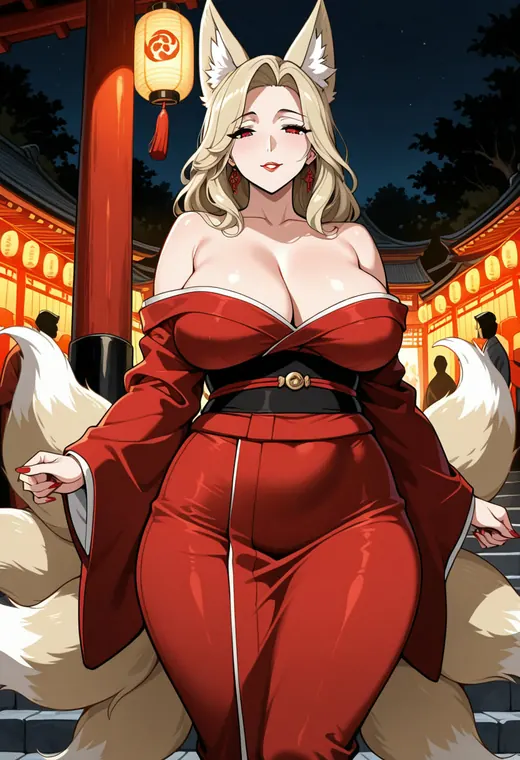
- Kitsune: you will be tricked, then protected. See kitsune meaning.
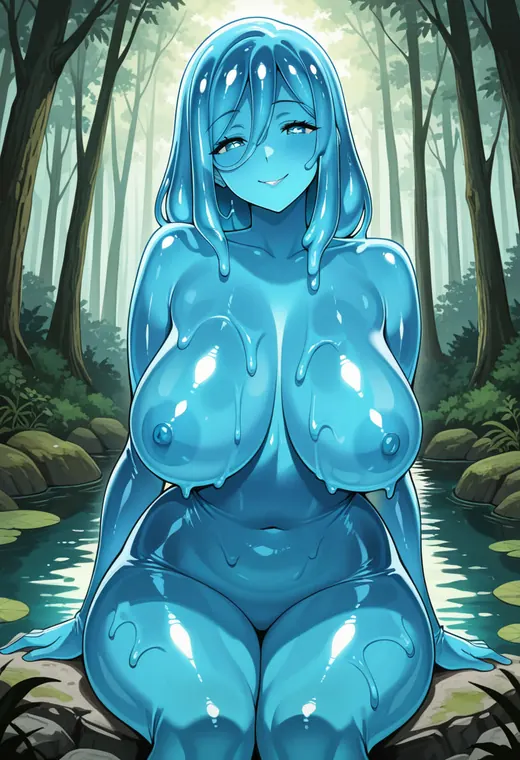
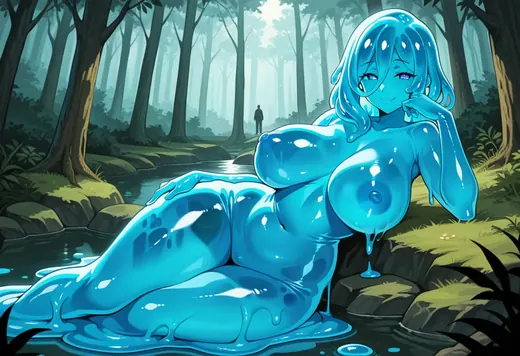
- Slime girls: you will be absorbed into comfort. See slime girl meaning.
- Werewolf girls: you will be marked as hers, and defended. See werewolf girlfriend trope.
- Eldritch partners: you will be loved by something too large to understand. See eldritch romance.
From reading to listening
If you already read monster romance, the move to audio is smaller than it looks. Choose a scenario that matches a book trope you love: if you like enemies-to-lovers, try the bargain arc; if you like cozy fantasy, try a shelter story. Coil: Wrapped in the Lamia's Temple and Glow: Kept by the Kitsune in Her Lantern Shrine are good first steps. For a wider overview of what is out there, monster girl types lists the species and what each offers.
A word on "monster"
The word does not mean she is cruel. In this genre "monster" means other: outside the human norm, powerful, unusual. The romance comes from watching someone who is supposed to be frightening choose gentleness, and from the lead recognising that the supposed monster is the safest person in the room. That is why the genre has lasted so long, from old folk tales about swan maidens and fox wives to the modern stories we tell now.
Writing and listening: what to look for
Whether you are choosing a book, a game or an audio series, a short checklist saves time.
- Check the heroine's agency. Does she make decisions, or is she only a prize? The better stories give her a plan that runs parallel to the romance.
- Check the pacing. A romance needs a middle. If a story goes straight from meeting to intimacy, the later scenes have nothing underneath them.
- Check the tone of the danger. Some stories lean gothic, some cosy, some comedic. Know which one you are in the mood for.
- Check for a soft landing. If you plan to listen before sleep, a track that ends on a quiet note is worth far more than one that ends on a cliffhanger.
- Check the adults-only framing. Every character should plainly be a grown being. If the setting or phrasing makes age unclear, skip it.
Why this genre keeps growing
A few honest observations, based on reader commentary and my own mailbox rather than hard statistics:
- Readers describe the draw as acceptance: the monster is seen and loved, and sees the lead the same way. A small survey of romance readers found that people use the genre to explore desires outside the usual script while working through stigma about them.
- The format is flexible. A single premise (a lonely creature and a patient human) can be played cosy, gothic, funny or intense.
- Online communities help. Recommendations travel fast, and the shorthand (x reader, tropes, species tags) makes finding a favourite easy.
- Audio widens the audience to people who do not read much, or who prefer to listen at night.
None of this is a claim about market size; it is simply why the stories keep getting written.
Cultural roots
The monster-wife and fox-wife stories are old. Japanese folk tales feature fox spirits who marry humans; European tradition has swan maidens, selkies and the lamia; Chinese stories have fox spirits and snake spirits that take human form. Modern monster girl romance is a remix of that long tradition with the added twist that the story now begins with the human wanting her. If you enjoy the lore side, kitsune meaning and succubus lore are good places to continue.
Frequently asked questions
What is monster girl romance?
It is romance fiction where the love interest is an adult non-human woman such as a succubus, lamia, kitsune or slime girl. She remains non-human, and the story treats her difference as attractive rather than something to fix.
Is monster girl romance the same as monster romance?
Monster romance is the broader umbrella, covering male and female monsters. Monster girl romance narrows it to female non-human love interests, usually with a male or second-person lead. The tropes overlap heavily.
Where can I find monster girl romance in audio?
Audio fiction creators perform scenarios in second person with binaural sound. My own library starts with a free five-night course called Start Here, then moves into individual species and a longer series.
What are the most common monster girl romance tropes?
The bargain, the rescue, the claim, the shelter and the transformation. Most stories are a mix of two. The bargain becoming a bond is the most popular with succubus and kitsune heroines.
Are the characters in monster girl romance adults?
Yes. In this library every monster is a grown, often centuries-old being, and every story is aimed at adult listeners. Captivity and claiming are consensual fiction tropes, not real-life advice.
Listen next
Keep reading
- Monster Girl x Male Reader: What the Genre Is and Why It Works
Monster girl x male reader is second-person fiction in which an adult monster girl speaks to you, the listener or reader, as her partner. It works bes - Monster Girl Types: 16 Species Compared at a Glance
Monster girl types are the species of adult fantasy women who are part person and part myth: lamia, harpy, arachne, slime, kitsune, oni, succubus, wer - Monster Romance Books vs Audio: What Each Does Best
Monster romance books give long arcs, worldbuilding and interior feeling; audio gives voice, breath, distance and a sense of presence. They suit diffe - Monster Girl Yandere: The Trope, Its Types and How Audio Plays It
A monster girl yandere is an adult non-human love interest whose devotion is possessive and obsessive: she claims you, guards you and will not let you