Library › Guides › Monster Lovers & Romance
Monsterfucker Meaning: What the Slang Says, and Who Uses It
By Metavulgar · updated 2026-11-11 · 6 min read
Monsterfucker is internet slang for a person who is attracted to fictional monsters: vampires, werewolves, succubi, lamia, kitsune, tentacled and eldritch beings, orcs, gargoyles and anything else that is supposed to be frightening and turns out to be a love interest. The word is blunt on purpose. Fans use it about themselves, usually with a wink, as a badge for a taste in fiction that used to be hard to explain at parties. "Monsterfucker" is a taste, like "bookworm" or "horror fan", not a diagnosis and not a claim about anything outside fiction.
I tell monster stories for a living as Metavulgar, so I hear the word constantly in messages from listeners. This guide explains what it means in practice, where it came from, how it is used (jokingly and sincerely), and the related vocabulary. If you want to hear the stories behind the slang, Start Here offers five sessions, one monster each.
The plain meaning
In everyday use the word has three layers:
- A fan identity. "I am a monsterfucker" means "I like monster romance and monster erotica." It signals membership in a community of readers, listeners and writers.
- A genre tag. Books, fan works and audio sometimes carry the label to say that the love interest is non-human. It works as a content note.
- A joke. Because the word is crude, it is also self-deprecating. People use it to take the sting out of an unusual preference before anyone else can.
It is not a medical or psychological term. It does not describe real-life behaviour. Everyone it refers to is an adult reader or listener, and everything it refers to is fictional.
Where the word came from
The exact first use is hard to pin down. The word grew in online fan communities in the 2000s and 2010s, where fan fiction writers and artists tagged stories with vampires, werewolves and creatures, and readers who liked them started calling themselves by the tag. It spread further when self-published monster romance found a large readership in the early 2020s and online book communities made the label shareable. Treat any more specific origin story with suspicion, because the sources I found are commentary, not records.
The attraction itself is much older than the word. Folk tales are full of human lovers of swan maidens, fox wives, serpent brides, selkies and vampires. Gothic novels, fairy tales and mythology have been pairing people with creatures for centuries. The slang is new; the appetite is not. For the history of one such creature, see what is a succubus and for the kitsune tradition, kitsune meaning.
How people use it
| Context | Typical use | Tone |
|---|---|---|
| Fan community | "Fellow monsterfuckers, any lamia recs?" | Friendly, in-group |
| Book reviews | "A must for monsterfuckers" | Genre label |
| Self-description | "Yes, I am a monsterfucker" | Proud, joking |
| Audio and fiction tags | Tag on a story with a non-human love interest | Content note |
Some communities prefer softer words (monster romance, monster lovers, creature romance) and avoid the crude one in public spaces. Neither choice is wrong. Read the room: the word is fine among fans and unwelcome in places with rules against it.
Related terms
- Monster romance: the broader genre label for romance with a non-human lead.
- Monster girl: a female non-human character; see what is a monster girl.
- Monster boyfriend or monster girlfriend: the character as a partner.
- Cryptid romance: a branch that leans on modern folklore creatures.
- Eldritch romance: love with cosmic horror; see eldritch romance.
- Tentacle trope: a specific, older strand; see tentacle monster trope.
- X reader: second-person format; see x-reader.
- Primal play: instinct-driven roleplay; see primal play and monster fantasy.
Why so many people identify with it
The common reasons readers give are less exotic than outsiders expect:
- Acceptance. The monster is seen as it is, and sees the lead the same way.
- Power and safety together. A being who could overwhelm you chooses to be gentle. The danger is fictional; the care is the payoff.
- Variety. Humans in romance fiction can feel interchangeable. A lamia, a harpy or a slime girl brings her own body, habits and rules.
- A way into feelings that are hard to name. Fantasy gives distance from the real world, which makes intense emotions easier to explore.
The longer version of that argument is in why are people attracted to monsters.
What it does not mean
- It does not mean attraction to real creatures. Monsters here are humanoid, adult fantasy beings with human minds and speech. Stories about real creatures are not part of this genre.
- It does not mean wanting real-life harm. Claiming, capture and possession tropes are consensual fiction, which the listener or reader chose and can leave.
- It does not mean the person has any particular personality. Fans of the genre come from every background.
How to get started if you are curious
Start with the format that matches how you like stories:
- Audio: the most intimate way in. Choose a gentle species first (slime girl, harpy, kitsune). Melt: Held by the Violet Slime is the one I recommend for a first listen.
- Books: monster romance has a huge back catalogue; monster romance books vs audio compares the two.
- Species guides: read monster girl types to see which creatures appeal to you before you commit to a long story.
A word on tone
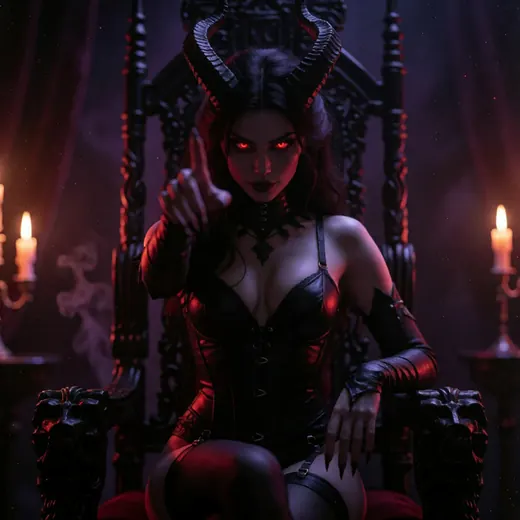
Because the slang is crude, some listeners prefer not to say it aloud. I use it in the way fans do: as a cheerful shorthand, not as an insult. If you prefer another word, use it. What matters is that the taste is understood as a fantasy preference between adults, enjoyed in private or among friends.
Common questions people ask about the slang
People often ask whether the word is offensive. It depends on where it is used. It is a rude word on the face of it, so it is out of place in formal writing and in communities that ban explicit terms, but inside fan spaces it is a friendly label. Another common question is whether you have to like a specific monster to qualify. You do not: someone who only likes vampires, someone who only likes lamia and someone who loves every species all use the same word.
A third question is about the difference between a monsterfucker and a monster romance reader. The overlap is large. The slang tends to include the erotic side of the taste, while "monster romance reader" is a milder, more public-facing phrase. Many people use both depending on the audience. If you are writing a recommendation for a friend, "monster romance" will land better; if you are in a fan community, the blunter word signals that you are one of them.
Finally, people ask where to go once they know they are one. The honest answer is: wherever the stories are. Read widely, listen to a few sessions, keep a list of favourite tropes, and share recommendations. The community is generous with them, and the full library here is free to start, with a guided course in Start Here and further species guides in the monster erotica audio overview.
Etiquette for using the word
A few practical rules keep the slang friendly:
- Use it about yourself, not about strangers. Self-description is the norm; labelling someone else is not.
- Check the space. Many communities and shops have rules against explicit language, and a polite synonym works there.
- Keep it to fiction. The word describes a taste in stories and nothing else.
- Do not use it to shame. A word that began as a joke inside fan spaces should not become an insult outside them.
Frequently asked questions
What does monsterfucker mean?
It is internet slang for a person attracted to fictional monsters such as vampires, werewolves, succubi, lamia, kitsune and eldritch beings. Fans usually use it about themselves, half joking and half proud, as shorthand for liking monster romance and monster erotica.
Is monsterfucker an insult?
Not inside fan communities, where it is a friendly label. It is a crude word, so it can read as rude in formal settings or spaces with explicit-language rules. Many people say monster romance fan instead in public.
Where did the term monsterfucker come from?
It grew in online fan fiction and art communities in the 2000s and 2010s, then spread widely with self-published monster romance in the early 2020s. The attraction to monsters in fiction is much older than the word.
Does monsterfucker mean attraction to real creatures?
No. The term refers to fictional humanoid or fantasy beings with human speech and minds, such as succubi or kitsune. Real creatures are not part of the genre in this library or in the usual meaning of the word.
How do I start with monster fiction if I am curious?
Pick the format you enjoy most. For audio, start with a gentle species such as a slime girl or harpy. For books, try a short monster romance. Read a species overview first to see which creature appeals to you.
Listen next
Keep reading
- Why Are People Attracted to Monsters? Five Honest Explanations
People are attracted to fictional monsters for five common reasons: otherness feels exciting, powerful beings choosing gentleness feels safe, fantasy - Monster Romance Books vs Audio: What Each Does Best
Monster romance books give long arcs, worldbuilding and interior feeling; audio gives voice, breath, distance and a sense of presence. They suit diffe - Monster Girl Types: 16 Species Compared at a Glance
Monster girl types are the species of adult fantasy women who are part person and part myth: lamia, harpy, arachne, slime, kitsune, oni, succubus, wer - Monster Erotica Audio: Subgenres and How to Pick a First Listen
Monster erotica audio is adult fantasy fiction performed in second person, with a non-human lover such as a succubus, lamia, kitsune, slime girl or we