Library › Guides › Tentacles & the Deep
Tentacle Monster: The Trope, Its Variations and Why It Works
By Metavulgar · updated 2026-11-11 · 5 min read
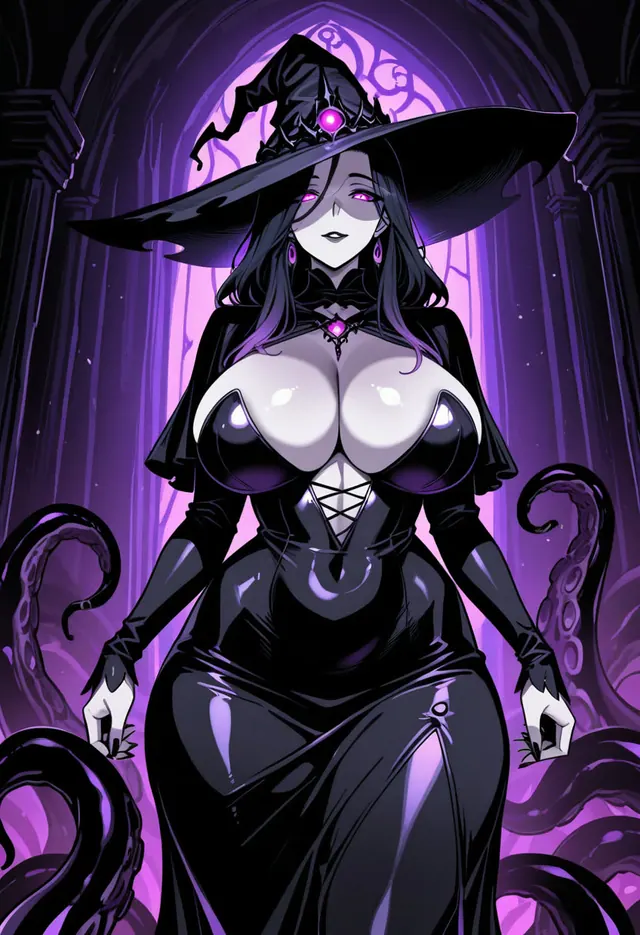
A tentacle monster is a fantasy creature whose main feature is a mass of flexible, grasping limbs: a sea-born lover, an abyssal queen, a plant that curls, an entity from beyond the stars. In horror it is a threat. In fantasy it can be an ally. In adult fiction and audio it is one of the oldest and most recognisable monster tropes, and its appeal is easy to state and hard to explain: being enveloped by something strange, strong and attentive.
I voice tentacle monsters as Metavulgar, always for adult listeners and always as consensual fantasy. This guide describes the trope, its main variations, what it is about underneath and how it is played in audio. For the plain meaning and art history, start with tentacle meaning. If you prefer to begin with a gentle introduction to my monsters in general, Start Here is five nights, one creature each.
What defines the trope
Four ingredients make a tentacle monster story:
- A body that is not human. The limbs bend where human limbs cannot, and the story treats that as the point.
- Many points of attention. One creature does the work of several partners. The scene is about sensation arriving from all sides.
- Strength under control. The creature could overwhelm, and the interesting part is how it chooses not to.
- An alien mind. Even when she speaks, she is not quite like you, and the gap is part of the attraction.
Take any of the four away and the trope weakens. A human-bodied lover with one flavour detail is not a tentacle monster; a faceless threat with no voice is horror, not romance.
The variations
| Variation | Who she is | The feeling | What it needs |
|---|---|---|---|
| The gentle one | A shy deep-water creature, curious about hands and warmth | Comfort, being explored | A soft voice, slow pacing |
| The overwhelming one | A confident abyssal queen who knows exactly what she wants | Surrender | A steady, commanding tone |
| The alien | A being who speaks in sound, light or pressure | Wonder | Layered sound design |
| The eldritch | A cosmic entity wearing a human shape | Awe and unease | Restraint; hints rather than description |
| The plant | Vines, blooms and glasshouses | Slow sensory immersion | Ambient detail |
| The shy hybrid | A half-human woman with a few tentacles she is self-conscious about | Tenderness | Dialogue and reassurance |
The plant version is in The Night-Bloom Glasshouse: Open for Her. The deep-water version is Sink: Held Under the Siren's Moonlit Tide. The eldritch variation has its own page at eldritch romance.
What the trope is about
Underneath the novelty, the trope usually works on four emotional levels:
- Surrender. Giving up control to something that will not misuse it. In real life control is hard to release; in fantasy it is easy.
- Sensation. Stimulus from many directions at once, which can feel overwhelming and soothing in the same moment.
- Being known. The creature explores you with curiosity. Attention is the reward.
- Trust with the unknown. You do not understand her, and you go anyway.
None of this requires cruelty. In the older, harsher versions of the trope, the lead is helpless and the creature indifferent. In the version I tell, the lead is a willing participant, the creature is a lover, and the story is about mutual attention. This distinction is what separates the romantic tentacle monster from the horror one.
Where it came from, in brief
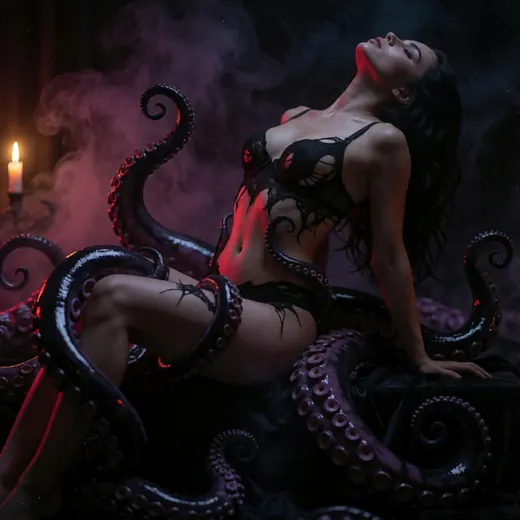
The sea creature as an erotic image appears in Edo-period Japanese art, most famously Hokusai's 1814 print The Dream of the Fisherman's Wife, in which the mood is mutual pleasure. Lovecraft's cosmic horror, from the 1920s, gave Western fiction its tentacled gods. Manga, anime and later games spread the trope worldwide. The history is covered in more detail in tentacle meaning, and the monster-lover community's vocabulary is in monsterfucker meaning.
How audio plays it
The tentacle monster is unusually well suited to audio, because the trope is about where sensation comes from, and binaural sound can place that:
- Movement around the head. A low wet slide moves from left to right, behind you, then close to one ear.
- Layered voice. An eldritch being might speak in two or three overlapping whispers. A gentle one speaks in one soft voice with a slow breath.
- Low drones. A sustained tone under the scene marks the creature's presence and keeps you grounded.
- Pauses. After each move, a beat in which she waits for your reaction.
For a fuller breakdown of the sound side, tentacle ASMR goes through it step by step.
How to choose a version
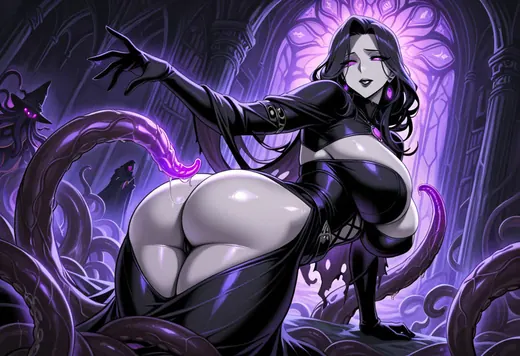
- If you want comfort, pick the gentle or shy hybrid. She asks questions and explains what she is about to do.
- If you want to give up control, pick the overwhelming queen. She decides, and you let her.
- If you want atmosphere, pick the alien or eldritch. The story is more mood than plot.
- If you want slow and green, pick the plant. Time passes differently in a glasshouse.
Not sure? A good beginner pick is the plant or deep-water variant, because both feel like a place before they feel like a creature. Best tentacle audio ranks sessions from gentlest to most intense.
Consent and framing
I keep the following rules for every tentacle story, and I suggest you look for them in any creator's work:
- Adults only. Every character is a grown being; the creature is ancient.
- Consent in the fiction. She asks, she waits, she checks. The lead agrees.
- A frame the listener chose. The title and description tell you what the session is. You can stop at any point.
- No harm. The creature never injures the lead; restraint is gentle.
- A soft landing. The end is quiet: warmth, breath, a few kind words.
The longer discussion of how audio handles possessive and capture tropes is in cursed and captured tropes.
Common questions
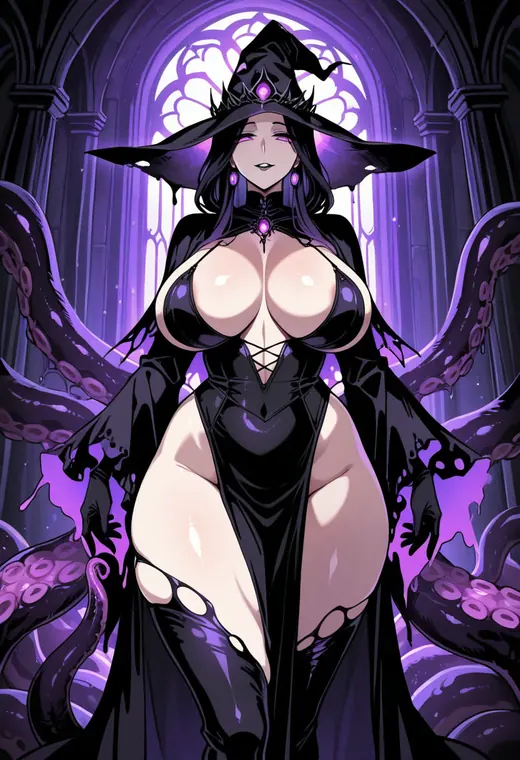
Is it the same as horror? No. Horror uses the same imagery for fear. Romance uses it for closeness. The tone, the voice and the ending are different.
Do I need to like horror to enjoy it? Not at all. The gentle and plant variations contain nothing frightening.
Why is the monster usually female in audio? In this library the format is F4M, so the voice is female. The trope itself is not tied to a gender.
What about the ovipositor trope? That is a separate and more specific branch of the genre; ovipositor meaning explains the term in plain language.
A short example of the tone
To illustrate the register I aim for, here is a fragment in the gentle variation, written as a script excerpt:
(soft, close, unhurried) You do not have to do anything. I have found that if I wait, you eventually stop holding your breath. There. Good.
(a low, wet movement to the left ear) I am only learning you. Tell me if anything is too much, and I will go back to the quiet. I am very good at quiet.
Notice the structure: reassurance first, an ambient sound cue, a direct invitation to speak up. That pattern, repeated in different words, is how the tentacle monster becomes a lover.
Where to go next
If this trope interests you, the logical continuations are the sound-focused tentacle ASMR guide, the monster girl types overview to compare it with other species and the wider monster erotica audio map. All of it is adult fantasy, all of it is consensual and all of it stops when you do.
Frequently asked questions
What is a tentacle monster?
A tentacle monster is a fantasy creature defined by flexible, grasping limbs, used in horror, fantasy and adult fiction. In romance it symbolises being enveloped by something strong, strange and attentive, always played as consensual fantasy between adults.
What are the types of tentacle monster?
Common variations are the gentle shy creature, the overwhelming abyssal queen, the alien being, the eldritch entity, the plant-based vine lover and the half-human hybrid. Each carries a different mood from comfort to awe.
Why is the tentacle monster trope popular?
It offers surrender, sensation from many directions and trust with something unknowable, in a setting that is plainly fictional. Binaural audio suits it because sound can place where each sensation comes from.
Is tentacle monster fiction always horror?
No. Horror uses the imagery for fear, while romance uses it for closeness. Romantic versions give the creature a voice, a name and consent, and end on comfort rather than fright.
Where should I start with tentacle audio?
Start with the plant or deep-water variation, which feels like a place before a creature, or the gentle shy creature. Listen with headphones at low volume and move to more intense versions only if you enjoy the sensation.
Listen next
Keep reading
- Tentacle Meaning: From Octopus Arms to a Fantasy Trope
A tentacle is a long, flexible limb, found on creatures such as squid and octopuses. As a fantasy trope, tentacles stand for being enveloped, overwhel - Tentacle ASMR: Sounds, Binaural Design and What to Expect
Tentacle ASMR is adult roleplay audio in which a tentacled creature speaks and moves around you, using wet slides, low drones, soft whispers and binau - Eldritch Romance: Cosmic Horror Meets a Love Story
Eldritch romance is fiction in which the love interest is an ancient, cosmic or Lovecraftian being. The appeal is awe, mystery and being chosen by som