Library › Guides › Monster Girls
What Is a Monster Girl? Meaning, History and Appeal
By Metavulgar · updated 2026-11-11 · 6 min read
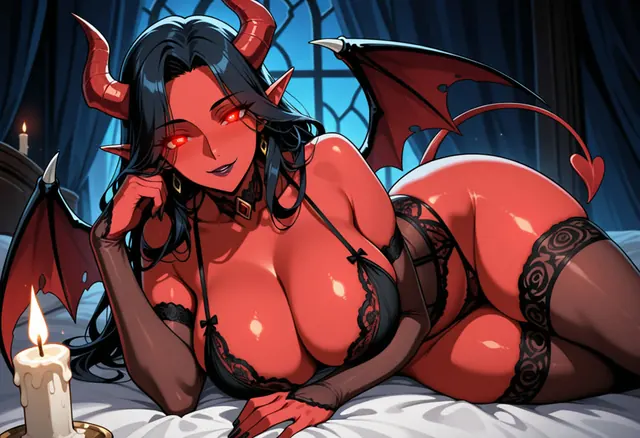
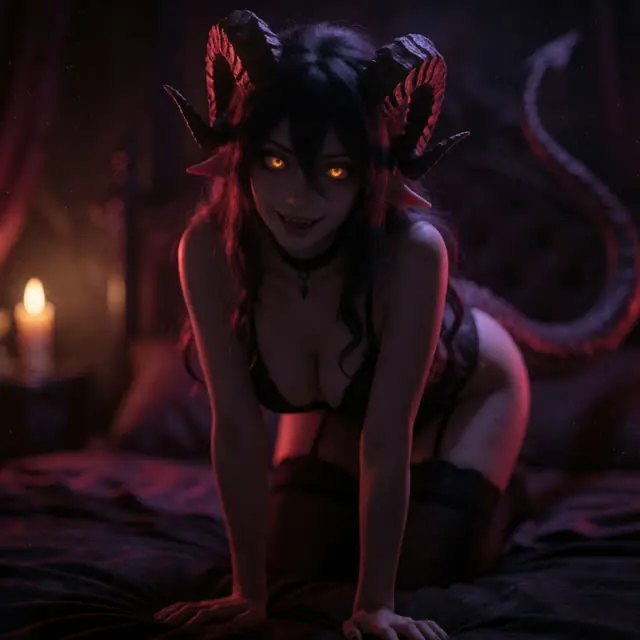
A monster girl is a humanoid female character built from a person plus a creature or myth: serpent coils, wings, many arms, glowing nine tails, a body made of living water. She is an adult in my work, she thinks and talks like a person, and she is not a mindless beast. That combination of human mind and inhuman shape is the whole genre in one sentence.
I voice monster girls, so people ask me for the definition constantly. This guide gives it, traces where the idea comes from, explains why it works on adults, and shows how to start listening. If you prefer to jump straight in, Start Here is five nights with one monster each.
The definition in four checks
A character counts as a monster girl when she passes all four:
- Humanoid face and voice. You can talk to her. Dialogue is the point.
- A monstrous trait that matters. The coil, the wings, the stone gaze or the extra arms change how the story works, not just how she looks.
- Her own mind. She wants things, makes bargains, gets jealous, laughs at you.
- Adult. Centuries old, grown, self-possessed. The genre I work in has no place for anything else.
A siren with a monstrous song who never speaks is a creature. A siren who bargains, teases and keeps your coat while you sleep is a monster girl.
Where the idea comes from: folklore
People have always imagined beings that are half woman and half something else. The older sources already contain the whole cast:
| Figure | Culture | The monstrous half |
|---|---|---|
| Lamia | Ancient Greek | Serpent body, queen of Libya in one telling, punished by Hera after Zeus |
| Harpy | Ancient Greek | Winged, fast, snatching |
| Siren | Ancient Greek | Song that pulls sailors off course |
| Gorgon | Ancient Greek | Gaze that turns to stone |
| Arachne | Roman retelling by Ovid | Weaver who became a spinner of webs |
| Kitsune | Japanese | Fox spirit, more tails with age |
| Oni | Japanese | Horned ogre, guardian or punisher |
| Succubus | Medieval European | Night visitor who seduces sleepers |
Notice the pattern: nearly all of them are feminine, uncanny and tied to desire or danger. Folklore used them as warnings. Modern fiction keeps the shape and changes the verdict, which is explained in what is a succubus for the most famous example.
Where the genre comes from: games, comics and fan art
The label "monster girl" as a genre took shape in Japan in the 2000s. Role-playing games had long used monster designs, and artists began turning each creature into a person with a personality. A well-known fan encyclopedia project in that decade catalogued dozens of species as characters, each with a short biography, and a long-running comic about living with monster-girl housemates helped make the idea mainstream. After that, anime, manga, visual novels, card games and web fiction carried it everywhere.
One archetype is purely game-born. The slime began as the weakest enemy in a 1986 role-playing game and was later redesigned into a cute teardrop mascot. The slime girl grew from that, which is why the slime girl guide can say honestly that she is a creature of games, not myth.
The takeaway: the genre is about a hundred percent folklore in its bones and a very recent game and manga culture in its skin.
A short timeline
- Antiquity. Greek and Near Eastern writers fill the sea, sky and underworld with half-human women.
- Middle Ages. European churchmen describe succubi and shape-shifting seductresses; Japanese tales develop the fox spirit and the horned oni.
- 1800s. Poets and painters turn the dangerous woman into a figure of longing.
- Late twentieth century. Console role-playing games mass-produce monster designs, including the first friendly slime.
- 2000s. Japanese artists give each monster a name, a biography and a habit, and the label monster girl sticks.
- 2010s onward. Anime, manga, web fiction and audio carry the genre worldwide, with adult dark fantasy as its own branch.
Monster girl versus plain monster
The difference is who the story is about. A table makes it clear:
| Plain monster | Monster girl | |
|---|---|---|
| Speech | Roars, or one cryptic line | Full conversation, humor, secrets |
| Motive | Hunger or territory | Desire, pride, loneliness, a bargain |
| Your role | Prey or hero | Partner, rival, guest, the chosen one |
| Ending | Slain or escaped | Kept, claimed, left with a promise |
That shift is why the same lamia can be a boss fight in a game and a lover in a story. Nothing about her body changed; the story decided to listen to her.
Why people love them
Five reasons come up in every conversation I have with listeners:
Each of these has a concrete payoff in a session:
- Novelty with rules. A monster girl is strange, but her strangeness has logic. A lamia coils, a harpy nests, a kitsune bargains.
- Being chosen. Adult listeners enjoy the fantasy of being the one a powerful being focuses on. See why people are attracted to monsters.
- Safe danger. The edge is real in the story and absent in life.
- Personality as variety. Each type brings a mood: the serene, the feral, the scheming, the shy.
- Voice. Her body is impossible; her voice is the only part you must imagine. Audio makes it easy.
What goes into a good one
When I build a monster girl for a session, I use five ingredients, and you can use them to judge any character you meet:
- A signature sound. Coils sliding, wingbeats, a bell on a shrine rope, water settling. It tells the listener where she is.
- A rule. Something she cannot do or will not do. A lamia will not let go of a bargain; a gorgon will not look you in the eye until she trusts you.
- A tell. A small habit that gives her away, such as tails that twitch when she lies.
- A history. One sentence about who she was before you arrived.
- A soft spot. The thing that makes a monster a person.
What the genre is not
It is not a claim about the real world, and it is not a belief system. Nobody who loves a lamia story thinks lamiae exist. It is also not a single tone: the same species can be a punchline in one story, a tragedy in another and a seductress in a third. When someone says they like monster girls, ask which flavor. The answer says more than the label does, and it is the quickest way to find the right first listen.
Adult fantasy and all-ages fun
The same species appear in two very different kinds of story. One is a comic, everyday-life genre with gentle jokes. The other, the one I work in, is adult dark fantasy where the monster girl is a lover, a rival or a keeper. I keep the line clear: my characters are grown beings of centuries, with adult voices and adult agency. Everything in the genre is fiction, a performance between consenting adults, and the listener stays in control.
Types you will meet
The shortlist is long, and the full list lives in monster girl types. The beginner's cast:
- Succubus: ancient, bargaining, warm. Start with The Summoning.
- Lamia: serpent coils, patient and possessive.
- Kitsune: playful, magical, with a shrine.
- Slime girl: soft, adaptive, devoted.
- Harpy: quick, proud, fiercely protective of her nest.
- Arachne: weaver, perfectionist, loves to bind a plan.
A fast personality map
If you do not know where to begin, pick by mood. Craving a tease? Kitsune. A steady hold? Lamia. Something tender and strange? Slime. A formal bargain? Succubus. For the A to Z of who exists, use the monster girl species list.
How to start listening
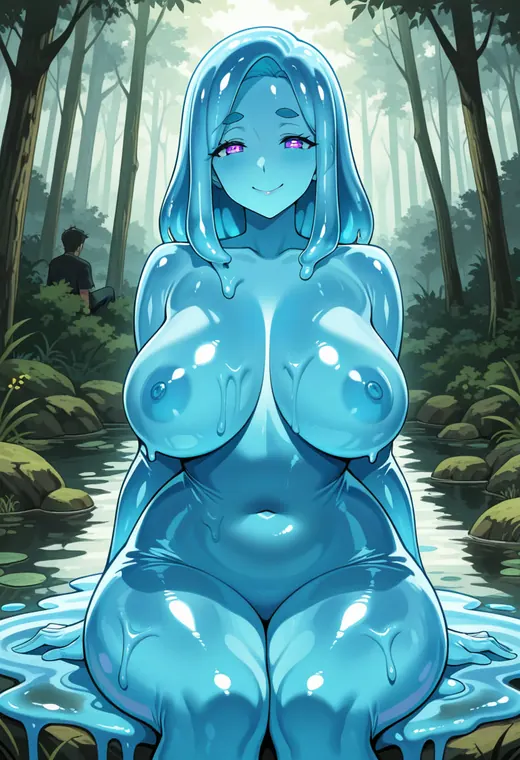
Start with one of two paths. The first is the five-night Start Here course. The second is the Monster Girl Bestiary, which lists the whole cast with one-line descriptions. If you like what you hear, a good first single is coiled in the lamia's temple.
Listen with headphones, in a quiet room, with an evening free. The voice does the work. You do not need to believe in monsters; you only need to be willing to imagine one.
Frequently asked questions
What is a monster girl in simple terms?
A monster girl is a humanoid female fantasy character who blends a person with a creature or myth, such as a lamia, harpy, slime or kitsune. She talks, thinks and wants things like any character, but her monstrous trait shapes the story.
Where did the monster girl genre start?
The idea is rooted in Greek, Japanese and medieval European folklore. The modern genre took shape in Japan in the 2000s through role-playing games, fan encyclopedias, manga and anime that gave each monster a personality and a voice.
Are monster girls always adults?
In my work, yes. Every character is a grown fantasy being, often centuries old. The wider genre includes light all-ages comedy, but the adult dark fantasy I voice treats age as a hard rule and makes each character an authority in her own story.
What are the most popular monster girl types?
Succubi, kitsune, lamia, slime girls, harpies, arachne spider queens, dragon girls and werewolf girls lead most lists. The types guide describes each with a short profile, and the species list goes A to Z.
How can I hear monster girl audio?
Begin with Start Here, five nights with a different monster each. After that the Monster Girl Bestiary lets you pick by species. Use headphones and a quiet evening for the best effect.
Listen next
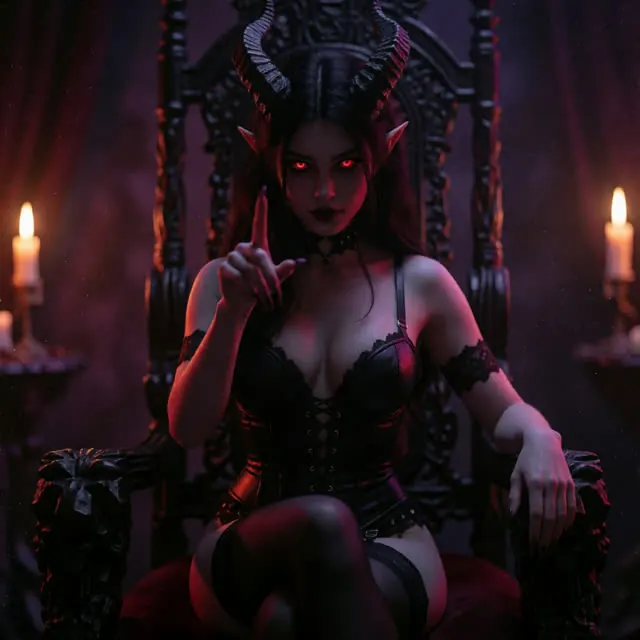
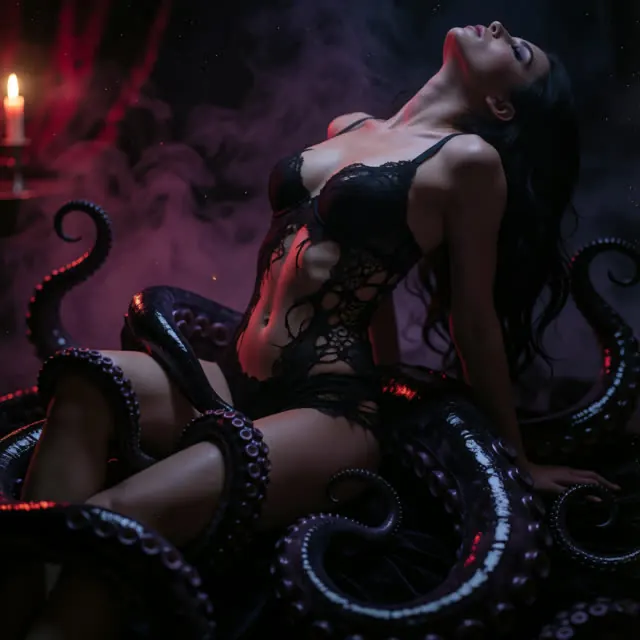
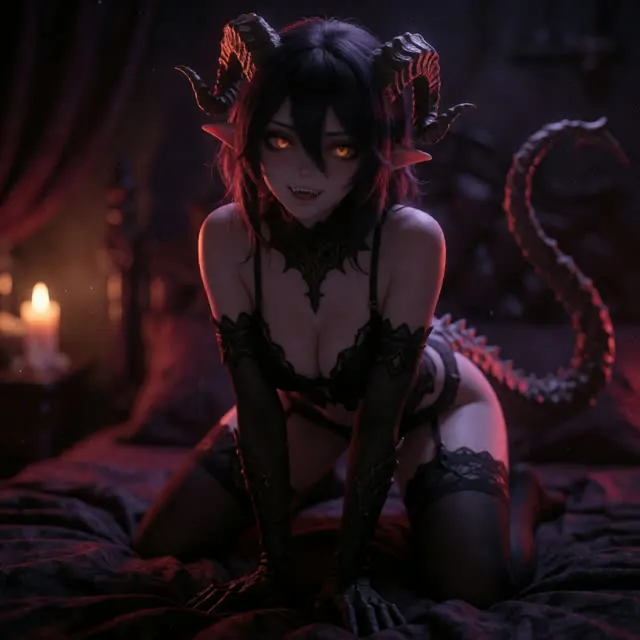

Keep reading
- Monster Girl Types: 16 Species Compared at a Glance
Monster girl types are the species of adult fantasy women who are part person and part myth: lamia, harpy, arachne, slime, kitsune, oni, succubus, wer - Monster Girl Species List A-Z: Origins and Personalities
This monster girl species list runs A to Z across 34 adult fantasy beings, from arachne to yuki-onna. Each entry gives the origin, whether Greek, Japa