Library › Guides › Succubi & Incubi
Succubus vs Vampire: Differences, Feeding and Seduction
By Metavulgar · updated 2026-11-11 · 6 min read
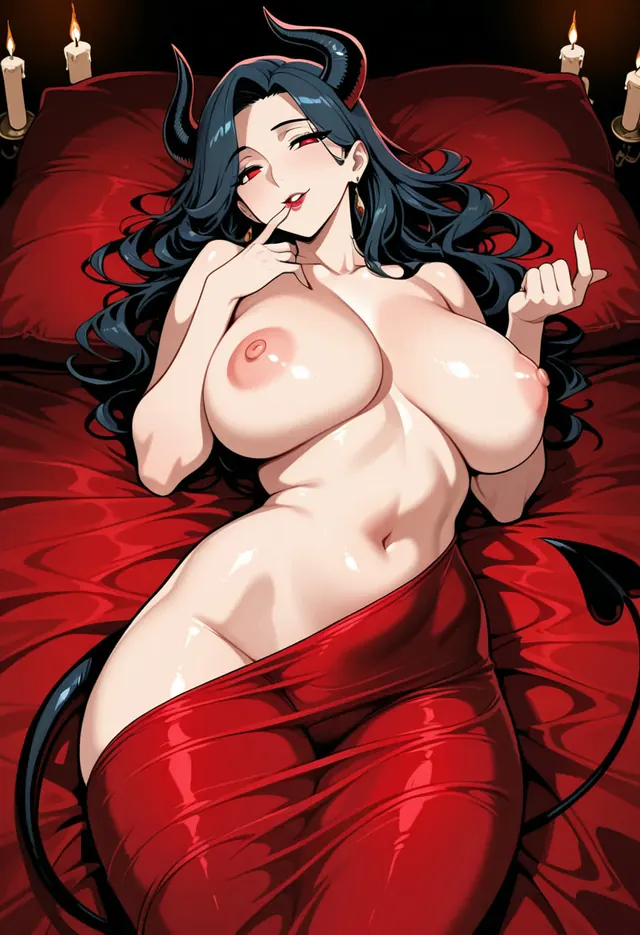
Succubus vs vampire: a succubus is a demon of desire who feeds on vitality and bargains, while a vampire is an undead being who feeds on blood or life. The first comes to you at night by seduction, the second by invitation and patience. Both are staples of dark fantasy, both are written as elegant and dangerous, and both are often confused because they share one motif: feeding. They share little else, and the differences decide which fantasy fits you.
I voice both. In my sessions the succubus is the one who talks, teases and writes contracts; the vampire is the one who waits, studies and takes her time. If you prefer to start by listening, Start Here will get you to both within five nights.
The side-by-side table
| Succubus | Vampire | |
|---|---|---|
| What she is | A demon or spirit | An undead revenant |
| Where it comes from | Medieval European demonology, older night spirits | Slavic and Balkan folklore, then the Gothic novel |
| What she feeds on | Vitality, breath, desire, in some tales a soul | Blood, life force |
| How she gets in | She appears in sleep or the edge of sleep | She must be invited, in later tradition |
| Seduction style | Warm, playful, negotiating | Cool, formal, patient |
| Her limits in lore | Varies; faith or willpower in older tales | Daylight, stakes, garlic and more in different versions |
| The deal | An explicit contract | A long courtship, an invitation |
| Best mood for audio | Whispers, closeness, teasing | Velvet dark, slow, formal |
Two different kinds of monster
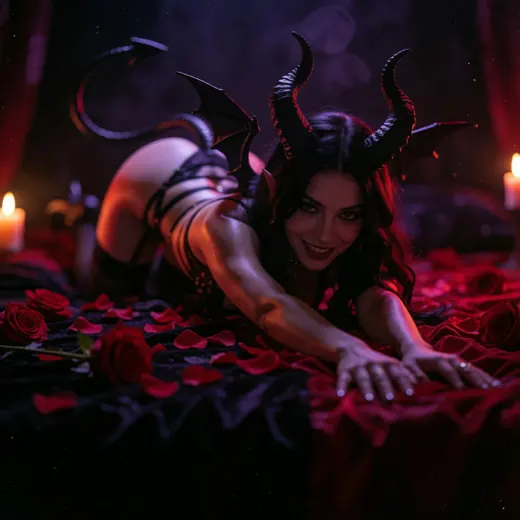
The most important difference is what kind of thing each one is. A succubus is a spirit or demon. She is not dead and not alive in the human sense; she is a supernatural being who takes a form to suit the occasion. A vampire is a dead person who has returned. That single fact flavours everything else about her: the coldness, the sense of an old life lost, the loneliness that fiction loves to lean on.
The succubus has no such backstory in folklore. She is a force of desire given a face. Modern fiction often gives her a personal history, but the folklore source simply explains night visitors. If you want the foundation, read what is a succubus.
What the old stories said about vampires
The vampire of folklore was not an aristocrat. In the Slavic and wider Balkan traditions the word names a revenant: a corpse that rises from the grave and troubles its village. These figures were described as bloated and ruddy, not pale and elegant, and the belief grew in times of illness and sudden death when communities were looking for causes. The word itself is generally traced to a Slavic root, though its deeper origin is debated. Greek traditions of the vrykolakas fed into the picture, although that creature was not chiefly a blood-drinker; scholars differ on how the traditions blended.
The elegant vampire is a 1800s-era literary invention. Early English tales and then Bram Stoker's 1897 novel Dracula transformed the revenant into a count with manners, a castle and a talent for charm. Almost everything we associate with the seductive vampire, the cape, the invitation across the threshold, the mesmerising gaze, comes from fiction after the folklore, not before it. I mark this plainly because variants differ by region and century. What I describe as "the vampire" in audio is the literary figure.
What the old stories said about succubi
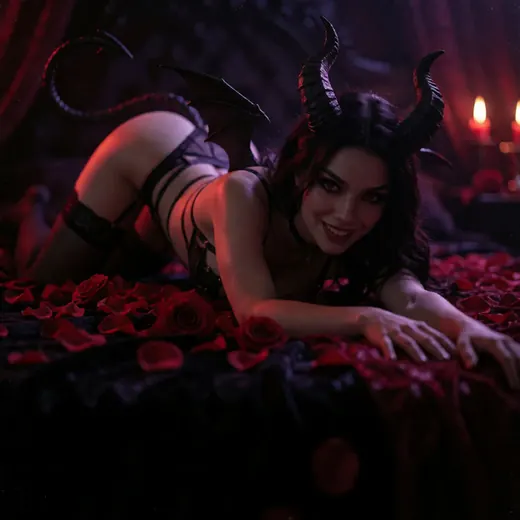
The succubus belongs to a different line, the night visitor. Medieval writers described demons who came to men in their sleep. Older roots include Mesopotamian night spirits, Lilith, the Greek lamia and the Germanic mara, and the sleep-paralysis experience underlies much of it, as explained in succubus in dreams. Her visit is private and nocturnal, and her exchange is the point. The deeper lineage is in succubus lore.
How each one seduces
The seduction styles are where the two diverge most in fiction.
The succubus: warmth and negotiation
She comes close and talks. She is amused by you. She names what she wants and gives you the chance to say yes. In The Succubus Contract: Part 1, The Summoning the whole point is that you call her and she responds. Her pleasure is in the bargain being clear. If you want the trope itself, succubus contract trope goes through it.
The vampire: patience and ritual
She watches. She has all the time in the world and uses it. The best vampire fantasy is slow: a long conversation in a dim room, a gesture, an invitation across a threshold. The tension comes from restraint, from the thing that has not happened yet. She wants you willing, and she can wait. Her appeal is formality and age, the sense that you are being courted by someone who remembers centuries.
What each one takes
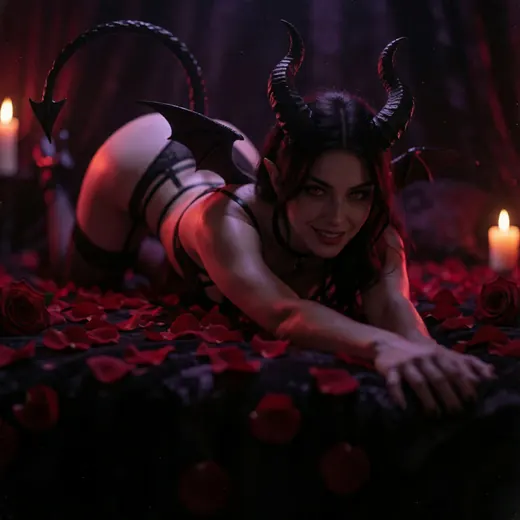
- The succubus takes vitality. In folklore it is strength, seed or breath; in later versions, a soul as payment. In modern romance it has softened into attention, devotion and energy, which you give freely.
- The vampire takes blood. It stands for life itself. In romance it usually becomes an intimate, consensual exchange, a bite as a metaphor for union.
- Both are exchanges. Each fantasy plays with the idea of giving something of yourself, which is why these two figures keep appearing next to each other.
Settings and sounds that belong to each
Sound design tells the two apart before a word is spoken. For the succubus I use close breath, the rustle of paper for the contract, a low laugh, a pen set down on wood, and a door that closes a little too softly. For the vampire I use a long room: a clock, a heavy curtain, a glass set on stone, steps that approach slowly, a voice that stays at the same even volume however close it gets. Neither set is realistic, and neither needs to be. They are cues that tell your ear which story you walked into.
Which fantasy fits which listener
| If you like... | Choose |
|---|---|
| Playfulness, teasing, banter | Succubus |
| Slow formality, restraint | Vampire |
| A clear deal with terms | Succubus |
| A courtship across a long evening | Vampire |
| Warm closeness at the ear | Succubus |
| Cool velvet and old rooms | Vampire |
| A weekend adventure in contract law | Succubus |
Neither is better. I often suggest the succubus first for newcomers because her energy is warm and her bargains are explicit, so you always know where you stand. The vampire suits people who enjoy anticipation more than action.
The vampire girlfriend and the succubus girlfriend
There is also a practical difference in what the two of them do with time. The succubus compresses it: one night, one clause, one deal, and a next night with new terms. The vampire stretches it: a single evening can hold a whole courtship, with the end of the story held in suspense until the last page. That is why succubus audio tends to move in clear episodes while vampire audio tends to be one long, low-lit scene. If you notice that you like the beat of a plot more than the hush of a room, you are a succubus listener; if the hush is the point, you are a vampire listener, and neither is the wrong answer.
Both have modern "girlfriend" versions, which is the domestic, ongoing take on the archetype. A vampire girlfriend is a companion of the night: dark rooms, shared evenings, a slow devotion. A succubus girlfriend is a bargain turned into a relationship, as in Part 6, Home, where the contract has become a household. If you want the vampire side, vampire girlfriend ASMR covers it, and the complete cast of seductive monsters is in the Monster Girl Bestiary.
Common mix-ups
- "A succubus is a vampire who drinks something else." Not in lore. One is undead, the other is a demon.
- "Vampires are always seductive." The folkloric revenant was nothing of the kind. The seductive vampire is mostly a 1800s-era literary creation.
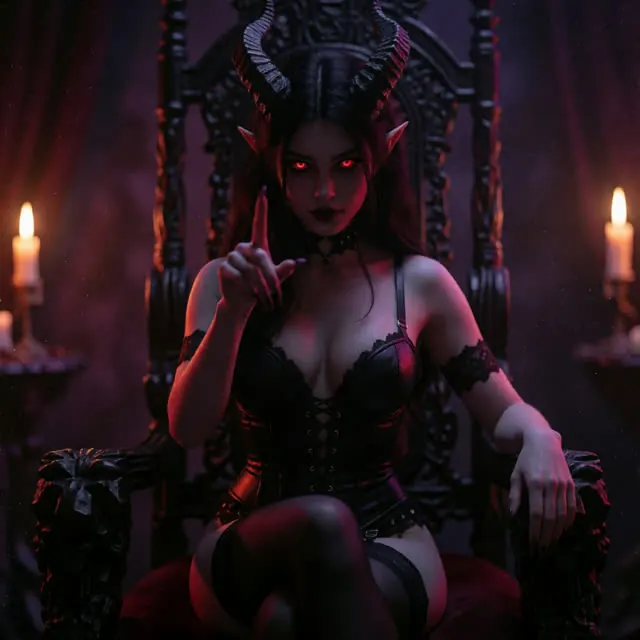
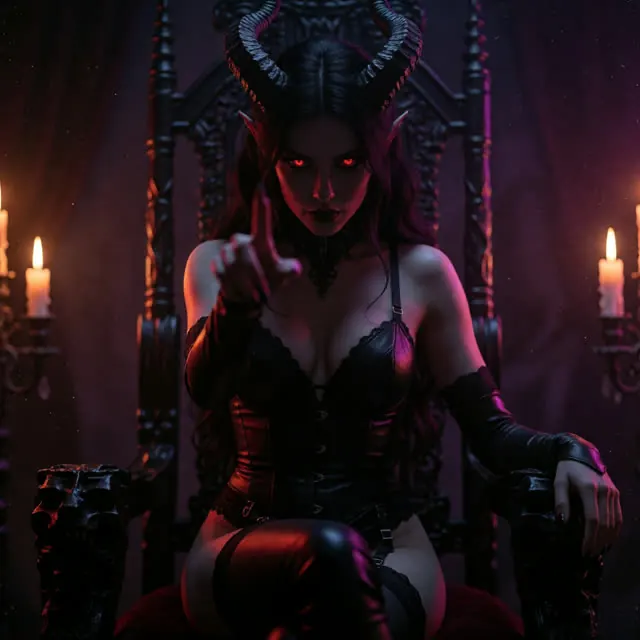
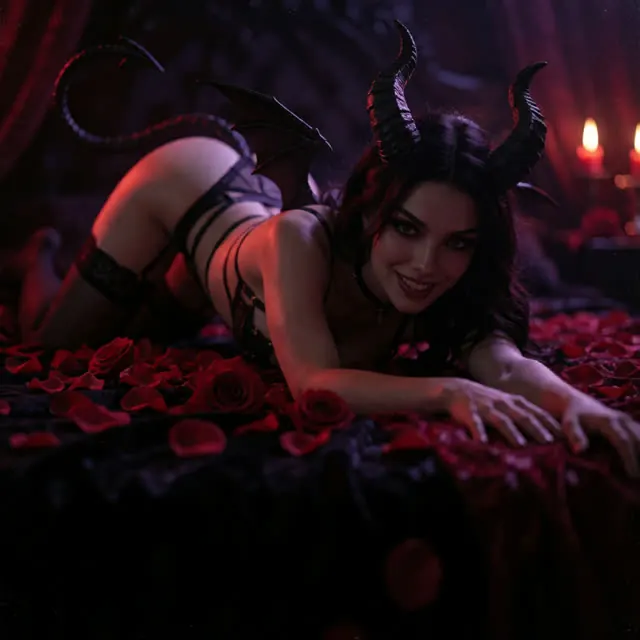
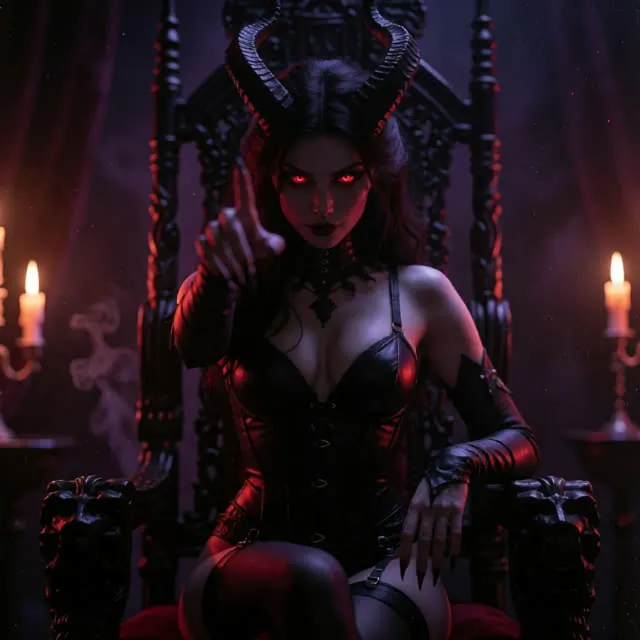
- "Succubi have wings and a tail." Not in the oldest accounts. That silhouette comes from art and games.
- "They are enemies." In modern fiction they are often rivals or allies. Nothing in folklore says otherwise.
Listening note
I treat both as adult fantasy figures: grown, ancient and self-possessed. Every story is a performance for a consenting adult listener, who stays in control the whole time. You can stop when you wish and nothing in either story is advice about real life. If you want the contrast in sound, listen to Part 4, Her Sisters, where a coven of succubi appears, and then compare it to any slow, dark-room session you enjoy. The difference in pace will tell you which one you are.
Frequently asked questions
What is the difference between a succubus and a vampire?
A succubus is a demon or spirit of desire who visits sleepers and feeds on vitality through bargain and seduction. A vampire is an undead revenant who feeds on blood or life. One is a night visitor, the other a returned corpse who, in fiction, courts you patiently.
Do succubi and vampires feed on the same thing?
Both feed, but on different things. Folklore gives the succubus vitality, breath or desire, sometimes a soul. The vampire takes blood or life. In modern romance both are metaphors for an intimate exchange, a giving of something of yourself, and the listener chooses it freely and can stop whenever they like.
Is a vampire a type of succubus?
No. They come from separate traditions. The vampire grew from Slavic and Balkan revenant beliefs and later Gothic fiction; the succubus from medieval demonology and older night spirits. Modern fiction occasionally crosses them in crossover stories and games, but in the lore they are distinct beings with distinct roles.
Which is better for a beginner in monster audio?
Most people start with the succubus because she is warm, talkative and explicit about the deal. The vampire suits listeners who like slow, restrained build-up. Start Here offers a gentle first taste of several monster types, one each night, so you can find out which mood suits you before committing to a longer series.
Where can I hear both?
The Succubus Contract covers the succubus in six parts, from summoning to a shared home. For the vampire mood, which is slower and darker, read vampire girlfriend ASMR and browse the Monster Girl Bestiary to see which other monsters suit the same dark-room mood.
Listen next
Keep reading
- What Is a Succubus? Meaning, Origin and Modern Myth
A succubus is a female demon from medieval European folklore who visits sleeping men to seduce them and draw off their vitality. Today the word also n - Succubus vs Siren: Differences, Origins and a Table
A siren is a Greek temptress, bird-bodied in early art, who lures sailors with song to their ruin. A succubus is a medieval night demon who visits sle - Succubus Lore: Lilith, Lamia, Mara and Beyond
Succubus lore is a collage: Mesopotamian night spirits, Lilith in medieval Jewish writing, the Greek lamia, the Germanic mara and Christian demonology - Succubus Contract: The Trope, Its Roots and Story Ideas
A succubus contract is a story device in which a succubus offers a bargain and the human agrees to terms. It borrows from old deal-with-the-devil tale