Library › Guides › Succubi & Incubi
Succubus in Dreams: Why You Dream of Her, Explained
By Metavulgar · updated 2026-11-11 · 7 min read
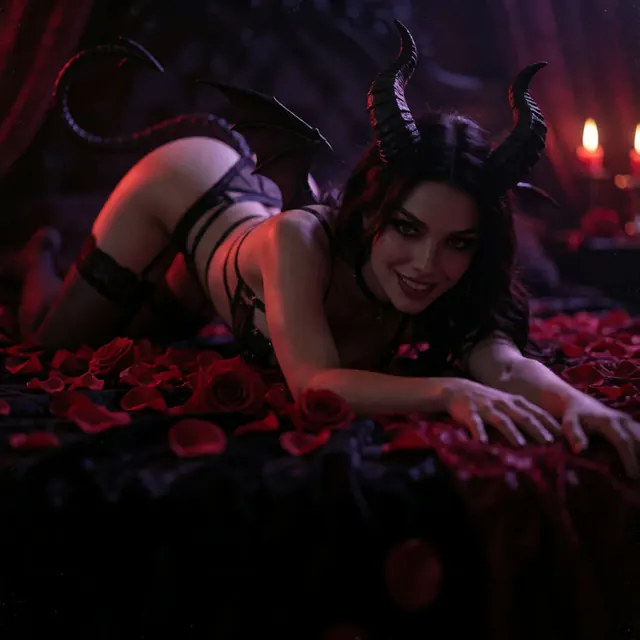
A succubus in dreams is the oldest version of the legend: a seductive visitor who arrives while you sleep, warm and weighted, and leaves you wondering what was real. If you have dreamed of one, or woken with the feeling of someone in the room, you are in very old company. This guide explains the folklore, the sleep science and the desire underneath it, calmly and without fear, and then shows how I turn the same sensation into fiction you choose.
I voice succubi in my sessions, and the question that reaches me most is some version of "why did I dream about her?" The honest answer has three layers: how sleep behaves, what the mind does with desire, and what cultures have always done with both. Take them in order, and if you would rather hear her than read about her, Start Here ends at her door.
The short answer
People dream of a succubus because the brain is good at building a character out of a feeling. Three ordinary things produce her:
- REM sleep floods the mind with vivid imagery and strong emotion, and arousal is a normal part of it.
- Sleep paralysis can leave you awake but unable to move, while dream imagery spills into the room.
- Desire plus story. If you have read, watched or listened to anything with a seductive supernatural woman, your mind already owns the costume.
None of that needs a demon. All of it explains why the experience feels like a visit rather than a thought.
What the old stories said
Every culture that had nights had a night visitor. The pattern is strikingly consistent: someone lies down, something arrives, a weight settles, breath tightens, and by morning there is a name for it.
- Medieval Europe named the seductive version the succubus for men and the incubus for women, and wrote about them as demons who lay upon sleepers. The incubus is her counterpart.
- Germanic and Norse tradition had the mara, a spirit that sat on the sleeper's chest. The English word "nightmare" is her descendant.
- Mesopotamian and later Jewish tradition told of night spirits and of Lilith, who became the queen of such visitors.
- Turkish tradition speaks of the Karabasan, a pressing night spirit, and Newfoundland speech of the "old hag" who rides the sleeper.
- Japanese tradition has kanashibari, "bound in metal," the word for being pinned in place while asleep.
The detail that matters is that these stories rarely agree about what the visitor looked like, but they agree sharply about what the sleeper felt: pressure, presence, a held breath. The sensation came first and the monster was the explanation. For the long version of her family tree see succubus lore.
Sleep paralysis, without the panic
Sleep paralysis is a well-documented quirk of timing. During REM sleep the body switches off most voluntary movement so you do not act out dreams. Sometimes consciousness comes back a few seconds before the switch flips off. You are awake, your eyes may open, and you cannot move.
Typical features, as people report them:
- A sense of presence in the room, often near the bed or the doorway.
- Pressure on the chest and the feeling that breathing is harder, though breathing continues normally.
- Sounds or shapes that belong to the dream but seem to sit in the real room.
- Fear or, less often, arousal. The same body that is flooded with alarm can also be flooded with the physical signals of REM.
- A clean exit. It ends on its own, usually within a minute or two, often when you move a finger or a toe or breathe slowly.
A famous early clinical description from a 1600s Dutch physician already used the old word "incubus" for it. Modern sleep researchers explain it by REM timing, and it is common enough that a large share of people have had at least one episode. If it becomes frequent or distressing, a sleep doctor is the right person to talk to; that is ordinary health advice, not a plot point.
Why it feels like a person
The brain is a pattern-detector tuned to find faces and intentions. In a half-awake state with no outside input to correct it, the threat-and-presence system fills in a figure. Add the pre-existing cultural script of a night visitor and the figure acquires a shape, a voice and, for some people, a very particular mood.
Erotic dreams and the succubus costume
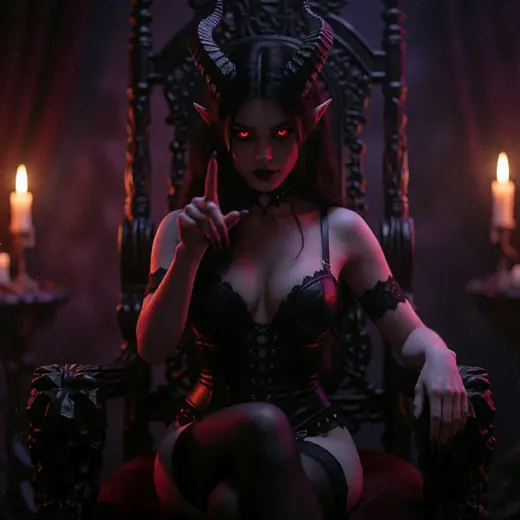
Separate from paralysis, plenty of people simply have erotic dreams, and the dreaming mind casts them with whatever is available. A succubus is an efficient casting choice because she carries a complete package of meaning:
- She is confident, so nothing is awkward.
- She is adult and experienced, so the dream skips hesitation.
- She chooses you, which is a large part of why these dreams feel flattering.
- She is not real, so the dream carries no social risk.
Seen this way, the succubus dream is less a visit than a mirror. The qualities you give her, patience, appetite, attention, are the ones you were already imagining. Wanting them is ordinary. The fantasy is the shape that wanting takes when it is allowed to wear wings.
Lucid dreams: meeting her on purpose
Lucid dreaming is being aware that you are dreaming, and some people use it to steer a dream rather than just ride it. A succubus is a popular target because the archetype is so clear that the mind can summon it quickly.
The standard, entirely mundane methods people describe:
- Keep a dream journal by the bed and write something every morning, even a fragment.
- Reality checks during the day: look at your hands, read a line of text twice, ask whether you are dreaming.
- Set an intention as you fall asleep, one simple sentence about what you want to notice.
- Wake, then return. Waking after several hours and drifting back in tends to produce more vivid, aware dreams.
Results vary a great deal between people, and none of this is ritual. It is the same attention training anyone would use for any dream goal. The tradition of drawing circles and speaking invocations belongs to fiction here; I treat it as story material only, which is what succubus symbol and sigil covers.
Folklore versus science, side by side
| Experience | Folklore reading | Sleep-science reading |
|---|---|---|
| Weight on the chest | A demon sits on you | Muscle atonia lingering in REM, breathing feels shallow |
| A figure by the bed | A visiting spirit | Dream imagery projected onto the room |
| Unable to move | She holds you | Paralysis that ends within minutes |
| Waking aroused | She took something | Normal REM physiology |
| A repeated visitor | She has chosen you | A pattern the mind has learned to reuse |
Both columns can be true in the sense that matters to me. The folklore tells you what it felt like to be a person in a dark house centuries ago. The science tells you what is happening in the body. As a creator I use the first column and keep the second in my pocket.
Keeping the night restful
If you want fewer unwanted episodes and more pleasant dreams, the dull advice is the useful advice:
- Keep a regular sleep schedule; broken sleep makes paralysis more likely.
- Avoid sleeping flat on your back if that is where episodes usually start.
- Wind down with something slow and warm instead of a bright screen. A calm voice works well here, which is half the reason sleepy audio exists.
- If you wake paralysed, breathe slowly and wiggle one finger or toe and remind yourself that it is a known, brief state.
- Reduce late alcohol and heavy meals, which fragment sleep.
From dream to fiction
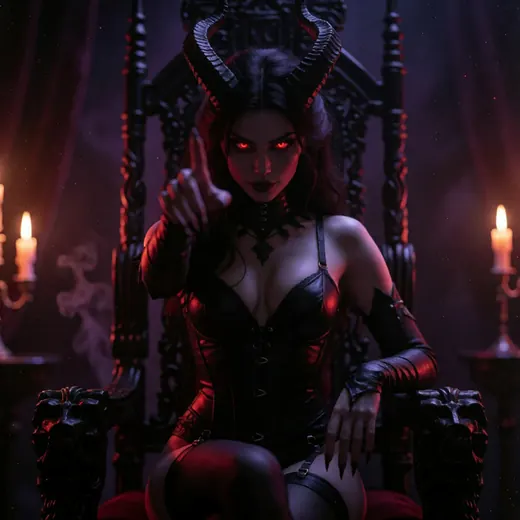
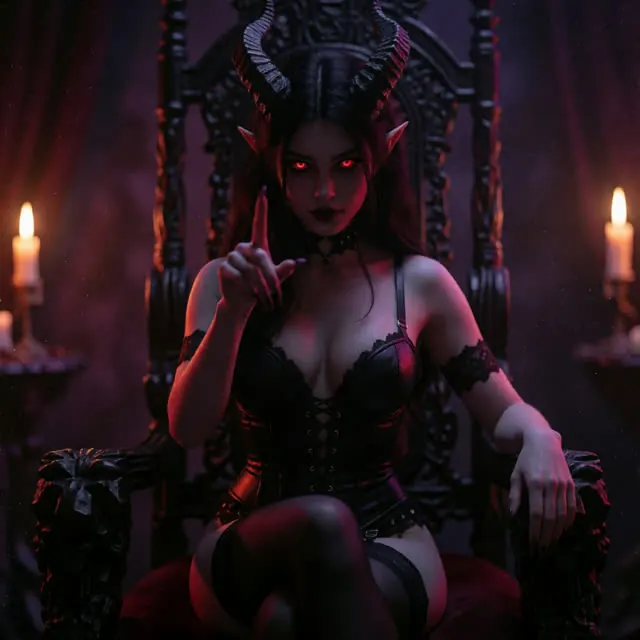
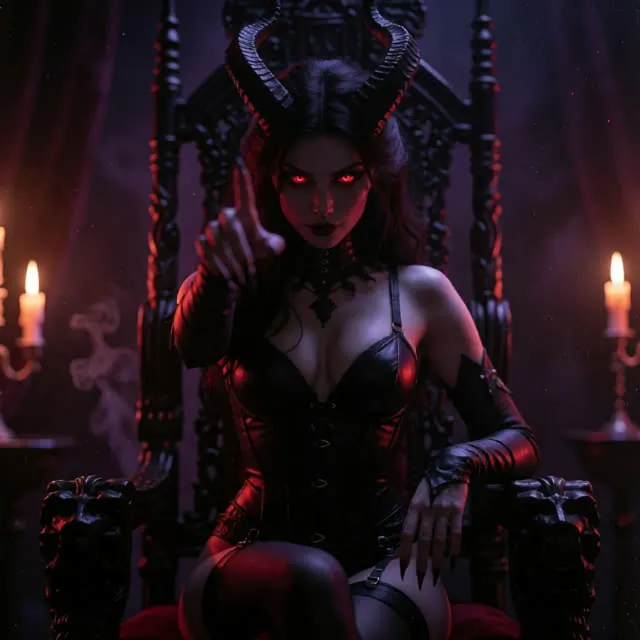
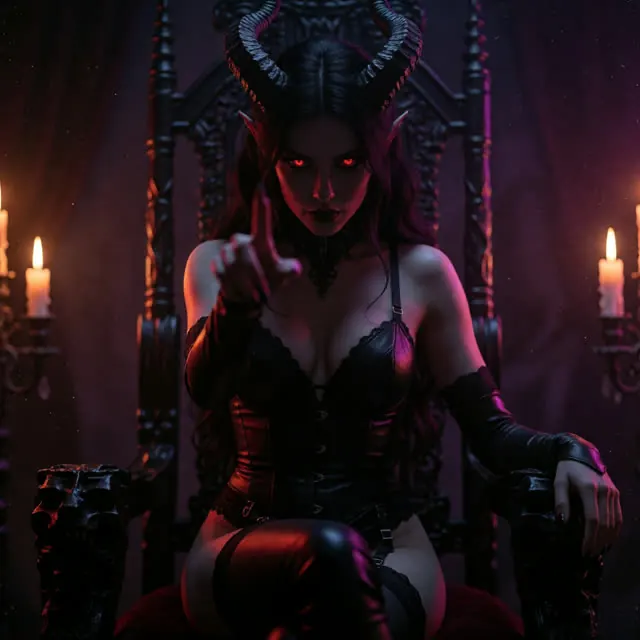
What I do in my sessions is take that exact sensation, closeness, weight, a voice at your ear while you are suspended between awake and asleep, and make it a story you pick up on purpose. A succubus visits, speaks low, and you decide how far you follow. The Succubus Contract: Part 1, The Summoning begins with you calling her; Part 3, The Missed Payment is where she turns up when you were not expecting her. The full six-part arc lives at The Succubus Contract.
The big difference from the old night-visitor stories is control. In a dream or paralysis episode you have no say. Here you press play, adjust the volume, and stop when you like. The listener holds the leash, and that is what turns a fright into a pleasure. If the slow, suggestion-led version appeals, succubus hypnosis explains how I build it. All of it is fiction between adults and a voice; nothing here asks you to believe in demons.
Quick answers
- Does dreaming of a succubus mean anything? It means your mind used a ready-made character for desire or presence. Nothing more is required.
- Will it happen again? Possibly, especially after stress or irregular sleep. It tends to fade when sleep steadies.
- Can I enjoy the idea? Yes. Fantasy exists to be enjoyed. Choose the version where you control the volume.
Frequently asked questions
Why do I dream about a succubus?
Usually because REM sleep mixes vivid imagery with arousal and your mind casts the feeling as a character. If you have met the succubus archetype in stories or audio, she is the ready-made costume. It is a normal dream pattern, not a message or a visit.
Is a succubus dream the same as sleep paralysis?
Not exactly. A succubus dream is simply a dream featuring her. Sleep paralysis is waking before the body releases REM muscle paralysis, often with a sense of presence and chest pressure. The two overlap because folklore described the paralysis experience as a seductive night visitor.
Can you control a succubus dream?
Some people steer dreams through lucid dreaming: journaling, daytime reality checks and setting a clear intention while falling asleep. Results vary widely. It is ordinary attention training, not ritual, and the succubus is simply a vivid, easy-to-recognise figure to aim for if you want a fantasy destination.
What did people in folklore think caused it?
Medieval Europeans blamed incubi and succubi, Germanic tradition blamed the mara that sat on the chest, and other cultures had their own night spirits. The physical sensations were real, so a visiting creature became the natural explanation before sleep science existed.
Where can I hear that dream feeling as a story?
My Succubus Contract series starts with The Summoning, where you call her on purpose. You control the volume and when it stops, which is the whole difference between a night fright and a fantasy you chose. It is fiction for adults, told as a story and nothing more.
Listen next

Keep reading
- What Is a Succubus? Meaning, Origin and Modern Myth
A succubus is a female demon from medieval European folklore who visits sleeping men to seduce them and draw off their vitality. Today the word also n - Succubus Lore: Lilith, Lamia, Mara and Beyond
Succubus lore is a collage: Mesopotamian night spirits, Lilith in medieval Jewish writing, the Greek lamia, the Germanic mara and Christian demonology - Succubus Hypnosis: How It Works, Safety and Aftercare
Succubus hypnosis is fantasy audio that pairs a succubus roleplay with relaxation and suggestion. It is not mind control: you stay aware and in contro - Succubus Symbol and Sigil: Meaning of the Heart-Tail Mark
The classic succubus symbol is a heart with wings, plus horns and a tail. Horns and bat wings come from medieval devil art; the heart-tipped tail and