Library › Guides › Monster Lovers & Romance
Monster Romance for Beginners: A Gentle-to-Spicy Ladder
By Metavulgar · updated 2026-11-12 · 6 min read
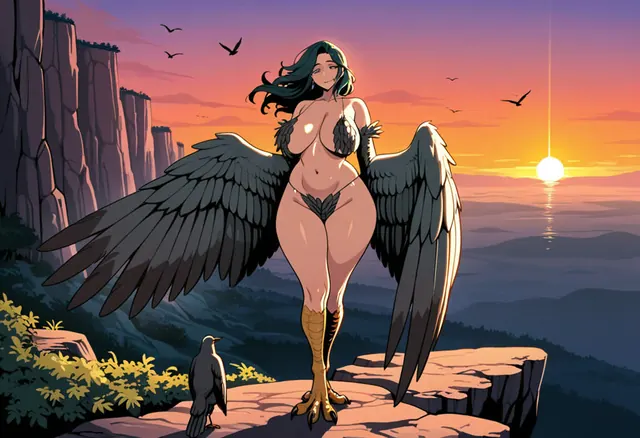
Monster romance for beginners starts with one decision: how far from human do you want the love interest to be? The genre pairs a human, or someone close to human, with a partner who is plainly not, such as an orc, a dragon, a naga, a tentacled creature or a cryptid. Readers find it by searching for a creature, a trope or a heat level. Recommendation lists tend to agree on one point: begin with a gentle read and work outward. This page gives you the ladder, the labels that matter and a way to try the same fantasies in audio.
What monster romance actually is
It is romance first. The structure is the same as any romance: two people meet, tension rises, there is a conflict and a commitment. The monster part changes the setting and the stakes. The partner may be larger, stranger or older than the lead, and the story often leans on themes of trust, being chosen and being seen as you are. It is not one level of spice. Books range from sweet and cozy to very explicit, and the label on the cover does not tell you which.
Because the genre grew in self-published circles, the signals are in the blurb and the tags rather than in the shelf. Learn the tags and you will find your level quickly.
The labels that matter
- Creature type. Orc, dragon, naga, alien, minotaur, demon, cryptid, eldritch, werewolf. This sets the look and the lore.
- Heat level. Often expressed as closed door, open door or explicit. Closed door means the scene fades. Open door means it is on the page.
- Content notes. Look for notes on violence, capture, dubious situations and dark themes. Good authors list them up front.
- Monster level. Some stories are "almost human" with horns or tails; others are fully non-human. This is the biggest variable for new readers.
- Tone. Cozy, adventurous, dark, comedic or gothic.
- Format. Print, ebook or audiobook. Audio changes the experience a great deal.
The ladder
Rung 1: almost human
Pointed ears, horns, a tail, unusual skin. The partner could pass at a distance. This is where most recommendation lists tell beginners to begin, and it is the easiest transition from ordinary romance or fantasy romance. If you already read romantasy, you are already one step in.
Rung 2: humanoid and fantasy-large
Orcs, dragon shifters, demons, werewolves and fae. They walk upright, speak easily and live in settings you already know from fantasy. The difference is size, strength and customs. Expect mating bonds, claiming language and protective partners.
Rung 3: clearly non-human body, still talkative
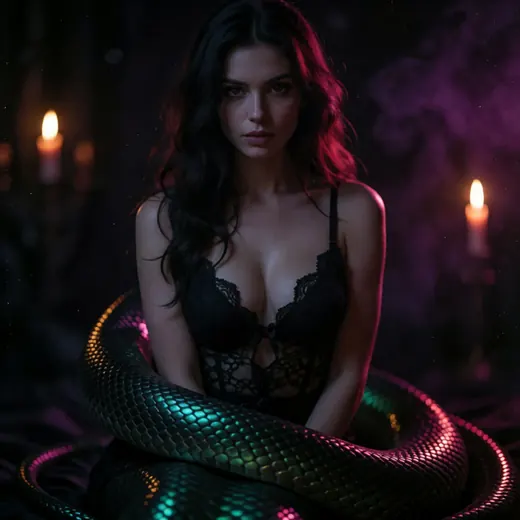
Naga, minotaur, harpy, centaur, lamia. A different body plan, but a person you can talk to. These are good for readers who like world-building, because the body shapes the romance: coils, wings, hooves.
Rung 4: stranger biology
Tentacled partners, aliens with unusual anatomy, eldritch beings. Books here lean on the unfamiliar and the strange. Check content notes before you start, because tone ranges from tender to horror.
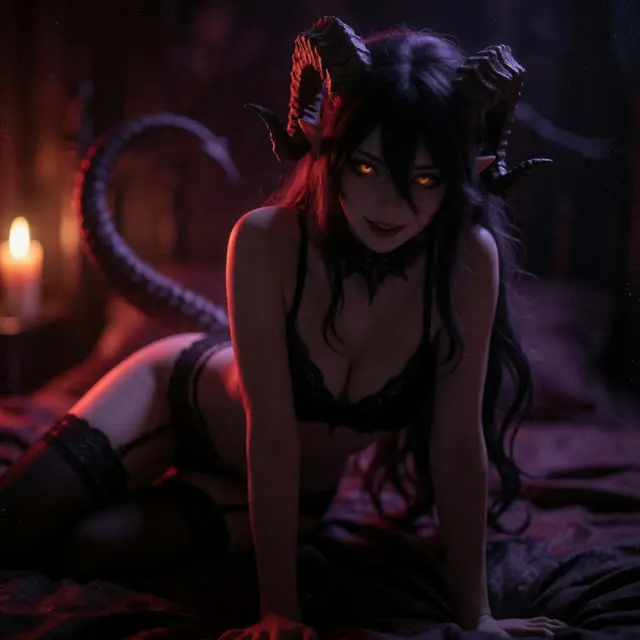
Rung 5: dark and possessive
Captive and claiming stories, hunter and prey, villain love interests. The fiction is consensual in framing, but the tropes are intense. Content notes are essential here.
How to climb without a bad pick
- Choose your creature first. If you already like dragons or vampires in other fiction, start there.
- Choose your heat. Decide now whether you want closed door, open door or explicit.
- Read the content notes before the blurb. One minute here saves a bad evening.
- Sample first. Most ebook shops and libraries let you read the first chapter. If the voice does not hold you, change author, not genre.
- Try a series opener. Many monster romances come as connected stories with a standalone couple in each. The first one tells you whether you like the world.
- Use your library. Libraries now carry monster romance, and audiobooks are often available without a purchase.
Why audio is a good starting point
A book asks you to build the creature in your own head. Audio gives you a voice, and the voice is most of the attraction. A low voice, a slow pace and a partner who describes what she is doing make a non-human character feel immediate without any visual. That is why I recommend audio to anyone who is curious but unsure. You will know in five minutes whether a creature type works for you.
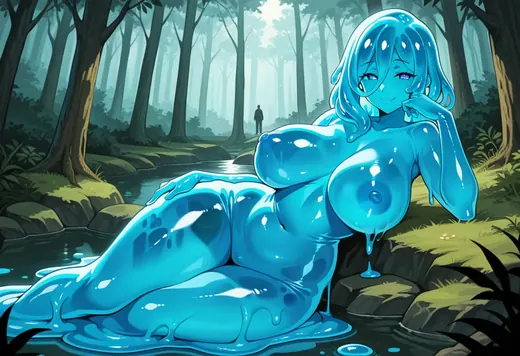
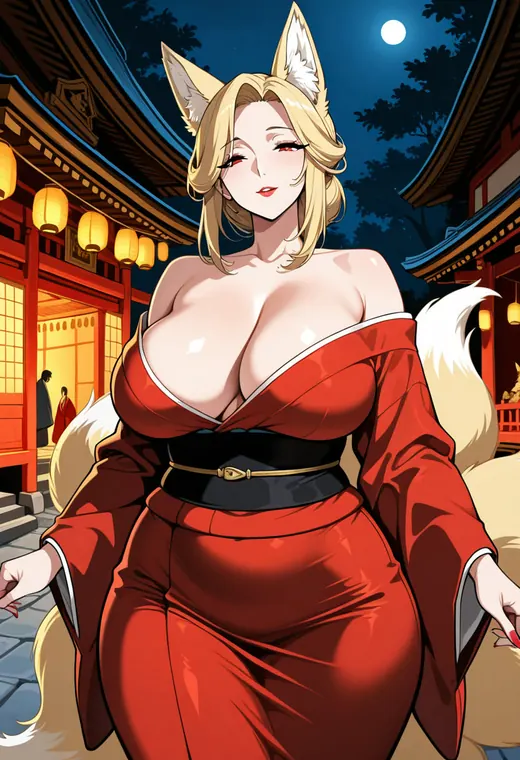
On my side, the monster girl library is organised by creature. If your preference is a woman-shaped monster, start gently with a slime girl, a harpy or a lamia: the glowing spring slime, the harpy's aerie and the lamia's temple are the softer end. For a step up, try the kitsune shrine or the dragon's hoard. For the darker rungs, the Succubus Contract series builds from a polite bargain to something deeper.
Tropes you will meet, and what they mean
Monster romance has its own shorthand. Learning it makes blurbs readable.
- Claiming and marking. The monster partner declares you theirs, often through a ritual, a bite, a bond or a mark. In good books you have a say in it. See claiming and marking trope.
- Fated mates. The two are destined to be together, usually through scent, a bond or prophecy. See fated mates.
- Hoarding. Dragons and goblins keep treasure; the love interest is the new treasure. Usually played as possessive but kind.
- Size difference. One partner is much larger. Authors handle it with care, and it is one of the genre's signature features. See size difference fantasy.
- Grumpy and soft. A fearsome creature who is quietly gentle with exactly one person.
- Captive and keeper. One is held in the other's territory. In well-written books it turns into a choice by the end; check content notes.
- Monster who learns humans. The creature studies courtship and gets it endearingly wrong.
- Found family. The couple gathers friends, a clan or a pack along the way.
How to know a book is the right heat level
Read the first page of reviews that mention steam. Reviewers say "closed door", "fade to black" or "very explicit" with unusual frankness in this genre. Look at the tags, not the cover; covers are often illustrated and cheerful whatever the content. If a book has a content note page, read it. If a book has none and the premise is dark, move on. And remember you can always stop. A story is not a contract.
A note on honesty
Not every recommendation list is neutral, and many sites share affiliate links. The rule I use is simple: I do not name a book unless more than one source I trust confirms the title and author. That is why this page teaches you how to pick, rather than handing you a ranking you cannot check.
A starter path that matches the ladder
| Night | Rung | Creature | Mood |
|---|---|---|---|
| 1 | 1 | Slime girl | Soft and curious |
| 2 | 2 | Harpy | Protective, high up |
| 3 | 3 | Lamia | Slow and wrapped |
| 4 | 2 | Kitsune | Playful and knowing |
| 5 | 5 | Succubus | Controlled and dark |
That sequence is the idea behind Start Here: five nights, one monster each, soft before deep.
Common beginner questions
Is monster romance always explicit? No. There are cozy and closed-door titles, and a growing number of sweet ones. Check the heat label.
Is it all about men and women? No. The genre includes sapphic, queer and mixed-pairing stories, and many readers choose by creature rather than gender.
Is it the same as paranormal romance? Close cousins. Paranormal romance usually keeps the monster in the modern world; monster romance often sets it in a world where monsters are normal.
What if the creature is too strange? Step down a rung. There is nothing wrong with staying on rung two.
Where to go next
If you want to understand the pull, why people are attracted to monsters looks at it directly. For a sorting of the creatures, see monster girl types and monster girl species list. If you are weighing print against sound, monster romance books vs audio compares them, and the best monster audio for beginners list ranks where to begin.
Frequently asked questions
Where should I start with monster romance?
Start with an almost-human partner in a setting you already like, and check heat level and content notes before you buy. If you read fantasy romance, a gentle orc, dragon or fae story is an easy step.
Is monster romance always spicy?
No. The genre runs from cozy and closed-door to very explicit. Look for heat labels in the tags and blurb, and read a sample chapter first.
What are the common monster romance creature types?
Orcs, dragons and dragon shifters, nagas, minotaurs, werewolves, aliens, demons, tentacled creatures and eldritch beings. Each has typical tropes like claiming, hoarding or protective bonds.
Is audio a good way to try monster romance?
Yes. A voice carries most of the attraction, and a few minutes tells you whether a creature type works for you. Audio also lets you sample a tone without committing to a long book.
What should I check before reading dark monster romance?
Look for listed content notes covering violence, captivity and dubious themes. Good authors state them up front. If they are missing, choose a different book.
Listen next
Keep reading
- Why Are People Attracted to Monsters? Five Honest Explanations
People are attracted to fictional monsters for five common reasons: otherness feels exciting, powerful beings choosing gentleness feels safe, fantasy - Monster Girl Types: 16 Species Compared at a Glance
Monster girl types are the species of adult fantasy women who are part person and part myth: lamia, harpy, arachne, slime, kitsune, oni, succubus, wer - Monster Romance Books vs Audio: What Each Does Best
Monster romance books give long arcs, worldbuilding and interior feeling; audio gives voice, breath, distance and a sense of presence. They suit diffe