Library › Guides › Lists & Ideas
Fallen Angel Names: 85 Names From Enoch, Milton and Myth
By Metavulgar · updated 2026-11-13 · 5 min read
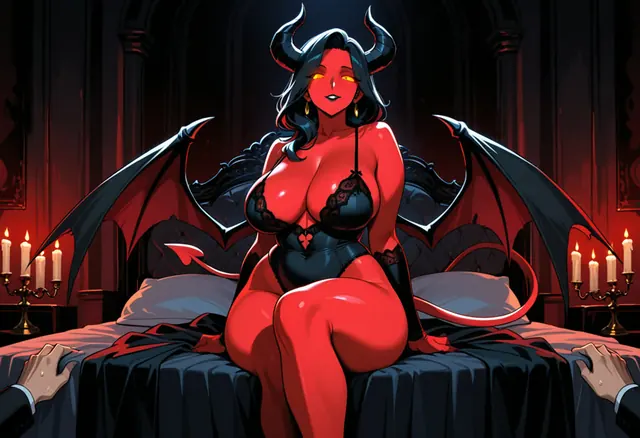
Fallen angel names are easier to find than to source. The words people use for fallen angels come from a handful of texts: the Book of Enoch, Jewish and Christian tradition, and John Milton's epic Paradise Lost, plus a lot of later fiction. This list sorts names by where they really come from, marks the invented ones, and helps you choose a name for an original character or a roleplay.
The sources, briefly
- 1 Enoch (Book of the Watchers). An ancient Jewish text, chapters 6–11 tell of about two hundred angels, the Watchers, who descend to Mount Hermon under their leader Semjaza (also written Shemhazai, Samyaza). Azazel is their chief ally, credited with teaching metalworking. The lists of names vary between manuscripts and translations, so spellings are not fixed.
- Hebrew Bible. Azazel appears in Leviticus 16 in the scapegoat ritual of the Day of Atonement, and many scholars connect that figure to the Enochic Azazel.
- Christian and Jewish tradition. Lucifer comes from Latin "light-bringer", the Vulgate rendering of Isaiah 14:12, later read as Satan's name before his fall. Samael appears in rabbinic tradition as an angel of death and accuser.
- Milton, Paradise Lost (1667). Gave the fallen host a roll call of names borrowed from pagan gods and demons: Moloch, Belial, Mammon, Beelzebub and others.
- Modern fiction. Games, comics and novels add names that look old and aren't.
The Watchers of Enoch

Spellings follow common English translations; meanings are the usual scholarly readings of the Hebrew or Aramaic roots ("-el" means God).
- Semjaza — leader; often read as "he sees the name" or "he gazes from heaven"
- Azazel — the metalworker; the name's meaning is debated
- Armaros — taught the undoing of enchantments, in Enoch
- Baraqiel — "lightning of God"
- Kokabiel — "star of God"
- Tamiel — variant spellings; a Watcher in the list
- Ramiel — "thunder of God"
- Daniel (Danel) — one of the listed Watchers
- Ezeqeel — in the Enoch list
- Araqiel — often read as "earth of God", associated with earth signs
- Samsapeel — a Watcher in the list
- Satarel — a Watcher in the list
- Turel — a Watcher in the list
- Jomjael — a Watcher in the list
- Sariel — appears in the Enoch tradition, sometimes as an archangel instead
- Asael — in some lists, an alternate of Azazel
- Penemue — in the Book of Parables, taught writing and its misuse
- Kasdeja — in the Book of Parables, taught demon-lore
Names from later tradition
- Lucifer — Latin "light-bringer", morning star
- Samael — rabbinic accuser/angel of death
- Abaddon — Hebrew "destruction", the angel of the abyss in Revelation
- Mastema — "hostility", leader of the evil spirits in the Book of Jubilees
- Belial — "worthless", used in the Dead Sea Scrolls
- Beelzebub — from Baal-zebub, "lord of the flies", in the Gospels
- Asmodeus — the demon of the Book of Tobit
- Mephistopheles — the devil of the Faust legend
- Azrael — angel of death in Islamic and Jewish tradition; not fallen, but often placed beside the fallen
- Lilith — not an angel; a figure of Jewish folklore often placed beside them (see Lilith meaning and lore)
- Shemhazai — the Hebrew-tradition spelling of Semjaza
Milton's host
- Moloch — borrowed from the Canaanite god
- Mammon — Aramaic "wealth"
- Mulciber — Roman name for Vulcan, Milton's builder of Pandemonium
- Belial — as above
- Beelzebub — as above
- Dagon — a Near Eastern god
- Rimmon — a Syrian god
- Chemos (Chemosh) — Moabite god
- Thammuz — Tammuz, a Mesopotamian god
Invented names (marked as invented)
None of these are in any source. They are made to sound right for a dark, graceful angel who fell by choice.
- Seraphine — from seraph
- Nocturne — a night piece
- Elarael — angelic-style invented
- Veyra — soft and cold
- Azura — a blue-tinged echo of Azazel
- Lucien — a masculine echo of Lucifer; for a woman, Lucienne
- Sariel-Mae — a mixed name
- Ashael — echoes Asael
- Morwen — dark, Tolkien-flavoured
- Zephyra — wind
- Ilyana — soft
- Cael — short
- Thalia — a Greek name used for a dark one
- Vespera — evening
- Nyxael — night plus -el
- Auriel — gold
- Corvael — raven
- Mirael — wonder
- Selene — moon
- Ravenna — dark Italian
- Duskael — dusk
- Elysia — blessed
- Noctis — Latin "of night"
- Valkael — hard
Fallen angels in fiction: how the type shifts
Names are only half the character. Fallen-angel fiction tends to follow one of three models, and the model changes which names fit.
- The Watcher model (Enoch). Angels who descend by choice because they desire human life, and teach forbidden skills. The tone is tragic and curious. Names: Semjaza, Kokabiel, Baraqiel, Penemue.
- The rebel model (Milton). Angels who rebel against heaven and are cast out, proud and articulate in defeat. The tone is grand and bitter. Names: Lucifer, Beelzebub, Belial, Mammon, Moloch.
- The exile model (modern fantasy). An angel who left or was thrown out and now lives among people, carrying the old light in a worn form. The tone is tender and a little weary. Names are usually invented, soft and short: Cael, Vesper, Auriel.
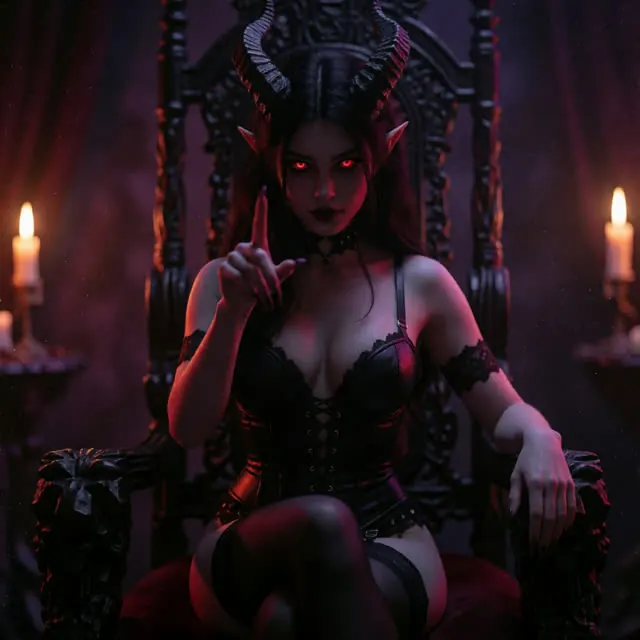
For an adult monster-girl character, the exile model is the most popular. She is centuries old, she has lost something, she is capable and a little sad, and she is warm because she chooses to be. Her name should sound like a lamp turned low: Vespera, Elysia, Seraphine.
Names to avoid
- Real religious figures you are not meaning to portray. If you use a name like Gabriel or Michael, you are signalling a loyal archangel, not a fallen one.
- Names that carry modern meanings. Some old names have been used for real people in recent history. Check before you commit.
- Anything youthful-sounding. Fallen angels in this library are adult and ancient.
How to choose
- Real or invented? Pick Semjaza or Kokabiel for authenticity; pick Veyra or Seraphine if you want to avoid borrowing the weight of a text.
- Mind the ending. The "-el" suffix means "God" and gives instant angel flavour. Cutting it gives a darker, shorter name: Cael, Sari, Aza.
- Match the mood. Lightning and star names (Baraqiel, Kokabiel) suit a bright, proud fallen one; abyss names (Abaddon, Mastema) suit a harsher one.
- Say it. In audio, two syllables read best.
Where it fits in the library
Fallen angels sit close to demon fantasy, so demon queen names and succubus names cover the nearest territory, and fallen angel vs demon explains the difference. For a session with a grand, patient immortal, listen to The Succubus Contract Part 1: The Summoning. To begin the library from the gentle end, use Start Here.
Frequently asked questions
What are the names of the fallen angels?
The best-sourced list is in 1 Enoch: Semjaza, Azazel, Armaros, Baraqiel, Kokabiel, Ramiel, Araqiel and others. Later tradition adds Lucifer, Samael, Abaddon and Mastema. Spellings vary between translations.
Who led the fallen angels in the Book of Enoch?
Semjaza (also Shemhazai or Samyaza) is the leader of the Watchers in 1 Enoch, with Azazel as a chief ally. The two hundred angels descend to Mount Hermon.
Is Lucifer the same as Satan?
Lucifer is Latin for "light-bringer", the Vulgate word in Isaiah 14:12. Later Christian tradition read it as a name for Satan before his fall. The passage itself addresses a king of Babylon.
What does the -el ending mean in angel names?
In Hebrew, -el means "God". Names like Baraqiel (lightning of God) and Kokabiel (star of God) combine a natural force or concept with it.
Can I invent a fallen angel name?
Yes. Many fiction names are invented. Combine a sound or image with the -el ending, or drop it for a darker, shorter name, and avoid claiming it comes from a text.
Listen next

Keep reading
- Demon Queen Names: 90 Names From Myth, Lore and Fantasy
Demon queen names come from myth (Lilith, Ereshkigal, Hecate, Hel, Lamashtu), from Latin, Hebrew and Greek words for dark, fire and rule, and from inv - Succubus Names: 100+ Ideas by Style, With Meanings
Succubus names fall into four styles: classic demonic names from folklore, elegant ones with a velvet sound, short sharp names, and playful wicked one - Fallen Angel vs Demon: Origin, Tone and the Real Texts
A fallen angel was an angel who rebelled or descended and lost heaven. A demon is an evil spirit that may never have been an angel. Christian traditio