Library › Guides › Lists & Ideas
Demon Queen Names: 90 Names From Myth, Lore and Fantasy
By Metavulgar · updated 2026-11-12 · 6 min read
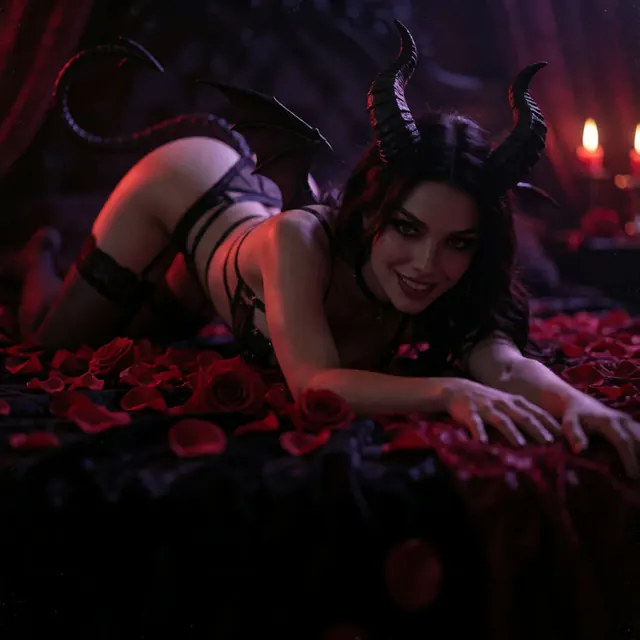
Demon queen names are the names for a ruler of demons, and they come from three places: myth, where goddesses of the dead, night and storms get borrowed for the role; real words in Latin, Hebrew, Greek and Old Norse that mean rule, fire or darkness; and invented names for fantasy. Be careful with the myth ones: no ancient source names a single "queen of demons". The title is a modern one, most often hung on Lilith, and the other names are goddesses and spirits from different traditions who have been pulled into the role by later writers. This page tells you which is which. All characters are adult beings, ancient and powerful.
Who is the queen of demons?
The short answer is that it depends on the tradition, and that the title is usually modern.
- Lilith is the name most often given the title. Her roots lie in the Mesopotamian lilitu, a class of wind and storm spirits, and later in Jewish tradition, where she becomes a night figure and, in medieval texts, the first wife of Adam. The name Lilith itself is Hebrew and does not appear in Mesopotamian sources.
- Ereshkigal is the Mesopotamian queen of the underworld, not of demons as such.
- Hecate is the Greek goddess of crossroads, witchcraft and the night; the Greeks and Romans sometimes linked her with Ereshkigal.
- Hel is the Norse ruler of the realm of the dead that bears her name.
- Lamashtu is a Mesopotamian demoness who also influenced the Greek lamia.
A modern demonology site might list all of these as equivalents of Lilith, but that is a modern grouping, not an ancient one. When you borrow one of these names, borrow it as a goddess or spirit, not as a title.
Names from myth and lore
- Lilith: Hebrew, from the Mesopotamian lilitu. See Lilith meaning and lore.
- Lilitu: the older Mesopotamian class of spirits.
- Lamashtu: Mesopotamian demoness.
- Ereshkigal: "lady of the great below", queen of the Mesopotamian underworld.
- Inanna / Ishtar: Mesopotamian goddess of love and war, who descends to the underworld.
- Astarte: Phoenician form of Ishtar.
- Hecate: Greek goddess of crossroads and night.
- Persephone: "bringer of destruction" in one reading, queen of the Greek underworld.
- Hel: Norse ruler of the dead.
- Morrígan: Irish "phantom queen" or "great queen".
- Hecuba, Medea, Circe: Greek women of dark power, not demons, but often borrowed.
- Mara: a spirit in Slavic and Nordic folklore that presses on sleepers, source of the word nightmare.
- Nyx: Greek goddess of night.
- Erinyes / Furies: Greek goddesses of vengeance (Alecto, Megaera, Tisiphone).
- Naamah: a figure in Jewish demonology, sometimes called a demoness of seduction.
- Agrat bat Mahlat: a figure in Jewish demonology, "daughter of Mahlat", in some texts a queen of demons.
- Eisheth Zenunim: another demoness name from Jewish tradition.
Naamah, Agrat bat Mahlat and Eisheth Zenunim are the three women most often grouped with Lilith in later Kabbalistic lists of demon queens. They are less known and, because of that, fresh.
Words that mean "queen" or "rule"
These are real words that work as names.
- Regina: Latin, "queen".
- Basilea: Greek, "queen".
- Malkah: Hebrew, "queen".
- Sarah: Hebrew, "princess".
- Drottning: Swedish, "queen".
- Imperia: Latin, "command, empire".
- Domina: Latin, "mistress, lady of the house".
- Dominatrix: Latin, "she who rules".
- Hera: Greek queen of the gods.
- Rani: Sanskrit, "queen".
- Tsarina: Russian, "empress".
- Nǚwáng: Chinese, "queen" (literally "female king").
- Regina Nox: "queen of the night", a title.
- Imperatrix: "empress".
Words for darkness, fire and the pit
- Nox: Latin, "night".
- Umbra: "shadow".
- Tenebra: "darkness".
- Ignis, Ignatia: "fire".
- Pyra: Greek, "fire".
- Ember, Cinder, Ashe: English fire words.
- Abyssa: from "abyss".
- Tartara: from Tartarus, the pit of Greek myth.
- Gehenna: from the Hebrew valley, a word for the place of punishment.
- Sheola: from Sheol, the Hebrew underworld.
- Infera: from Latin inferus, "below".
- Hadria: from Hades.
- Mortis: Latin, "of death".
- Vesper: "evening".
- Noctua: Latin, "night owl".
Names by character
The old ruler
Lilith, Ereshkigal, Hecate, Imperia, Regina Nox. Names that settle in a room.
The seductive queen
Naamah, Domina, Astarte, Inanna, Circe. Names with a smile in them.
The cold queen
Hel, Nyx, Tenebra, Umbra, Mortis. Calm, spare, absolute.
The fiery queen
Pyra, Ignatia, Ember, Tartara, Gehenna. Hard consonants and heat.
The strategist
Agrat, Medea, Morrígan, Basilea, Sarah. Names that plan.
Invented demon queen names
These are original.
- Vexara: from vex, with a regal ending.
- Malphira: from Latin malus, "bad", and a soft ending.
- Seraphyne: a fallen-angel flavour.
- Noctirra: night plus a growl.
- Draxilla: dragon-like and Latin-sounding.
- Ashmerra: ash plus -erra.
- Velmora: velvet and death in one.
- Lilithrae: Lilith with a flourish; mark it as a blend.
- Morvenna: Morrígan plus a Cornish ending.
- Zephyrelle: wind plus a French diminutive; for a gentler queen.
- Crimsala: crimson plus -ala.
- Ebonya: from ebony.
- Hellevira: a darker Elvira.
- Cerise Infernal: a double name, playful.
- Queen Azura: blue-black, for a cold demon queen.
More dark queens from world myth
If you want a queen whose name is less overused than Lilith, the world has many. These are real figures, each with a role the story can inherit.
- Kali: the Hindu goddess of time and destruction, fierce and protective. A deity with living worship, so use her name with care.
- Durga: the Hindu warrior goddess who defeats a buffalo demon.
- Sekhmet: the Egyptian lioness goddess of war and healing.
- Tiamat: the Babylonian primordial sea goddess, killed by Marduk in the Enuma Elish.
- Mami Wata: a water spirit worshipped across West and Central Africa and the Caribbean, often shown with serpents.
- Baba Yaga: the Slavic witch of the forest in a house on chicken legs.
- Mara: see above, the pressing night spirit.
- Lamia: see lamia names for the Greek queen turned predator.
- Jezebel, Salome, Delilah: women from biblical stories whose names became shorthand for dangerous seduction; use with the knowledge that the shorthand is itself a later judgement.
- Mehit, Nephthys: Egyptian figures of night and mourning.
The mix of real religious figures and folk monsters in that list is the reason to note your source. A demon queen drawn from a living religion is a heavier choice than one drawn from a dead pantheon.
Titles that make a name feel royal
A queen is often a name plus a title. These work:
- The Hollow Queen, The Ember Queen, The Velvet Queen.
- Queen of the Ninth Pit, Queen of Ash and Honey.
- Her Dread Majesty, Her Infernal Highness.
- Lady of the Long Night, Mistress of the Hollow Court.
- The Quiet Empress, for a ruler who never raises her voice.
The best titles are specific, with one image and one contradiction. "Ash and honey" says more than "darkness".
Voice and the demon queen
In audio a demon queen is rarely loud. The authority is in the slowness. She speaks in full sentences, leaves pauses, and lets the listener fill them. A name that is easy to say softly helps: Imperia, Velmora and Ereshkigal all work, because they carry weight without effort. If you are creating a character for a script, say her name three times in the voice she will use, and keep the version that makes you slow down.
How to choose a demon queen name
- Decide who she rules. An underworld, a harem, a legion, a shrine.
- Choose myth or invention. A myth name carries weight and obligations. An invented name is yours.
- Match her style. Seductress, strategist or tyrant.
- Check the sound. A demon queen's name is said slowly. Long vowels, soft consonants and a falling end.
- Do not use real occult names as instructions. This is a character name, not a practice.
- Label your source. Tell the listener if she is based on a goddess.
In my sessions
My demon characters are adult, sultry and sure of themselves. The succubus in the Succubus Contract series begins with a polite bargain and a signature; the first session is the summoning, and later parts take you deeper into her house. If you want to hear a demon voice, start there, or with the Start Here course. For the family of names see succubus names, fallen angel names, incubus names and the demon queen meaning and lore page. For the overall list, monster girl names.
Frequently asked questions
Who is the queen of demons?
No ancient source names a single queen of demons. Lilith is the name most often given the title, with roots in Mesopotamian spirits and Jewish tradition. Agrat bat Mahlat and Naamah appear in later demonology lists.
What are good demon queen names?
Lilith, Ereshkigal, Hecate, Hel, Naamah and Agrat bat Mahlat come from myth and lore. Regina, Basilea and Imperia mean queen or rule. Vexara and Malphira are invented examples.
Is Lilith the queen of demons?
In modern popular culture, yes. In ancient sources, no. Lilith grew from Mesopotamian lilitu spirits and a later Jewish tradition. The title queen of demons is a later association.
What does Ereshkigal mean?
Ereshkigal is usually translated as "lady of the great below", and she is the Mesopotamian queen of the underworld, sister of Inanna. She rules the dead, not demons as such.
Can I use a goddess name for a demon queen?
Yes, as a character name, but state the source and treat the figure with care. Real goddesses of the dead and night are historical religious figures. Invented names avoid that question.
Listen next
Keep reading
- Succubus Names: 100+ Ideas by Style, With Meanings
Succubus names fall into four styles: classic demonic names from folklore, elegant ones with a velvet sound, short sharp names, and playful wicked one