Library › Guides › Kitsune & Yokai
Are Kitsune Dangerous? Tricksters, Possession and Protectors in Lore
By Metavulgar · updated 2026-11-12 · 6 min read

Are kitsune dangerous? In Japanese folklore, it depends which fox you meet. The answer splits into two broad kinds: the zenko, "good foxes", who serve the god Inari, and the yako or nogitsune, "field foxes", the wild ones blamed for tricks, possession and sickness. Most stories show kitsune as clever rather than cruel, and many have them repaying kindness. The truly predatory fox is the Korean kumiho, a different creature. This page lays out each danger in the lore, how the tales turn it into romance, and what it means for monster girl fiction. Every fox character here is an adult spirit, centuries old.
The short answer
| Kind of kitsune | Danger | Typical behaviour |
|---|---|---|
| Zenko (good fox) | Low | Messenger of Inari, protects, rewards kindness, punishes greed |
| Yako / nogitsune (field fox) | Moderate to high | Tricks, deceives, possesses, causes illness |
| Tenko (celestial fox) | Moderate | Very old, nine-tailed, wise, powerful, aloof |
| Kitsune-wife | Low | Takes a human form, loves, leaves when discovered |
| Kumiho (Korean) | High | Feeds on the hearts or livers of men in the oldest tales |
The table is a simplification. Folklore is not a rulebook, and a single fox can be a trickster in one story and a loyal wife in another.
Zenko: the protective foxes
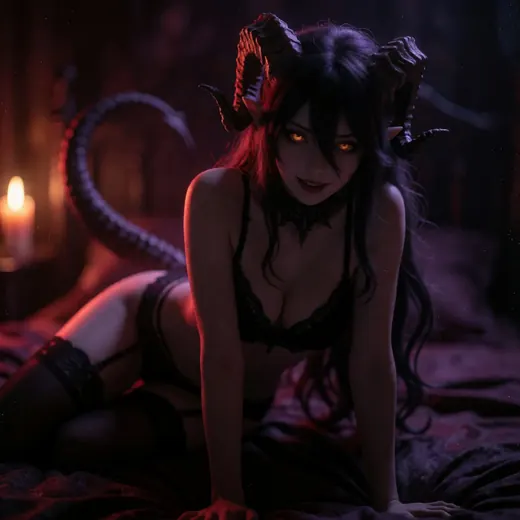
Zenko are associated with Inari, the Shinto god of rice, prosperity and foxes. White foxes serve as the god's messengers, and the stone fox statues at Inari shrines are zenko. They are believed to reward kindness and punish greed, and many shrine legends describe them granting good harvests or protecting a household. In the stories they are usually the least dangerous of the kinds, though not always harmless: a zenko's lesson can be sharp.
Yako and nogitsune: the wild foxes
The darker group goes by the names yako ("field fox") and nogitsune ("wild fox"). These are low-ranking or free-roaming foxes in folklore, feared above all as possessing spirits. In some regions of Japan, including parts of Kyushu and the Chūgoku area, people blamed fox possession (kitsunetsuki) for sudden illness, strange behaviour or fits, and rituals were performed to drive the fox out. That belief is historical and was a way of explaining misfortune, not a fact about real life.
The stories of yako also include tricks: leading travellers in circles at night, making a field look like a feast, conjuring a house that vanishes at dawn, or turning leaves into coins. Most of these are pranks. A few have darker endings.
Tricks are the main danger

If you read the tales, the typical kitsune danger is deception. A fox rarely wants to harm; she wants to win. Common tricks:
- Illusions of a banquet or house that disappear when the traveller touches them.
- Fox fire (kitsunebi), pale lights that lead people off the road.
- Stolen objects, especially the fox pearl, which a hero must trade or win back.
- Impersonation, from a lost relative to a lover.
- Possession, in which the fox speaks through someone.
The danger in all of them is being fooled, and being fooled is usually survivable.
Kitsune who repay kindness
Many tales show the opposite of danger. A man who frees a trapped fox is repaid with a gift. A woman who feeds a hungry fox finds her luck turn. The best-known kitsune-wife story is Kuzunoha: a fox who takes the form of a woman, marries a man, bears his son, and leaves when her true form is discovered, writing a farewell poem on the door. The tale is one of tenderness, not threat. In a large share of the folklore, the fox is the one who is wronged.
The nine-tailed fox and the court stories
The really dangerous fox stories involve the nine-tailed fox at the centre of a court. The Chinese figure Daji and the Japanese Tamamo-no-Mae are courtesan foxes who ruin a king or make an emperor ill until a priest exposes them. These are tales about power: a beautiful, brilliant outsider rises to the top and brings the house down. They are far from the average kitsune tale. For their roots see nine-tailed fox.
Kitsune vs kumiho: the real predator
The Korean kumiho is the fox that is dangerous without nuance. In the oldest tales she takes the form of a woman and feeds on the hearts or livers of men. Some versions let her become human if she goes a thousand days without killing, and modern retellings play on that hope. If you were asking whether a "kitsune" will eat you, the answer in Japanese lore is almost always no, and in Korean lore it is often yes. See nine-tailed fox vs kitsune for the side-by-side comparison.
How dangerous are kitsune in fiction?
In modern monster girl fiction, the danger has been tamed into temperament. The fox character is:
- Playful, a trickster who teases.
- Possessive in a gentle, devoted way.
- Proud, with a code about debts and promises.
- Lonely, having outlived everyone.
- Honest in one way: she cannot lie about what she wants.
The popular fox girl is a sweetheart with a sharp tongue and nine tails. The danger is emotional: she might not let you go. See fox girl tropes for the standard personalities.
Signs a kitsune means harm (in the stories)

Folklore gives a few reliable warnings, and they are as much about the human as about the fox.
- She asks for something you cannot give back. A fox who wants your name, your voice or your luck is playing for stakes.
- The food is too good. The banquet in the middle of a field is the oldest illusion in the book.
- The lights lead away from the road. Fox fire that you follow is rarely a favour.
- She is too pleased to see you. A stranger who is warm with no reason is working.
- Dogs object. In the tales, hounds always know.
And the signs that she means well: she repays a debt without being asked, she keeps a promise even when it costs her, she lets you leave when you say no, and she tells the truth about one thing at the worst possible moment. The best fox characters mix both lists.
Why the danger is part of the appeal
A fox who is entirely safe is a pet. A fox who is entirely dangerous is a monster. The kitsune sits between, and the space between is where the interest lies. The listener can enjoy the sense of being watched by someone cleverer than he is, knowing the story is built so that the cleverness is aimed at making the evening better. That is a different kind of danger from a horror story: it is the thrill of not knowing who is in charge, with the guarantee that you can always ask her to stop.
Kitsune and tails: does more power mean more danger?

In the lore, tails track age and power, so a nine-tailed fox is the strongest. But power does not map to cruelty. The nine-tailed tenko, the celestial fox, is often described as wise and remote, almost a lesser deity. The foxes who cause trouble tend to be the young and the wild, which is the part of the lore people forget. A youthful fox with one or two tails is a prankster. A nine-tailed fox is a presence.
What this means for roleplay and audio
A kitsune is a very good partner for an audio fantasy because the "danger" is a game. She promises mischief, and the listener's job is to enjoy being outwitted. In my sessions the fox is proud and quick, never cruel. In the lantern shrine session she lights lanterns for you; in the mountain lanterns walk she leads you up a path in the dark and does not let go of your hand; in the red door shrine she counts nine tails and asks for something each time. The listener is always in control, and the danger is flavour.
If you are new, begin with Start Here and the kitsune shrines path. For the word itself, see kitsune meaning.
Notes for the curious reader
If you are reading folklore, check the source. Many pages blend three cultures and say "kitsune" for all of them. If you are writing a fox character, choose the culture and the kind of fox first. And if you are listening to fox audio, remember that it is fiction with a consent frame: the danger is a story, and you can stop anytime.
Frequently asked questions
Are kitsune evil?
Not by default. Zenko are benevolent messengers of Inari, and many tales show foxes repaying kindness. Yako and nogitsune are wild foxes blamed for tricks and possession. The evil fox is more typical of the Korean kumiho.
What is the difference between zenko and nogitsune?
Zenko are good foxes serving the god Inari, often white, who reward kindness and punish greed. Nogitsune, or yako, are wild foxes feared as tricksters and possessing spirits.
Do kitsune possess people?
In folklore, yes. Kitsunetsuki, fox possession, was a belief in some regions of Japan used to explain illness and strange behaviour. It is a historical belief, not a real-world fact.
Are kitsune dangerous to humans in mythology?
Mostly in deceiving them. Typical tricks include fox fire, illusions of feasts, and impersonation. Outright harm appears in court stories such as Tamamo-no-Mae and in the Korean kumiho.
Are kitsune good or bad?
Both, depending on the story. Kitsune can be loyal wives, protective messengers or mischievous tricksters. Japanese folklore treats the fox as morally mixed rather than purely good or evil.
Listen next


Keep reading
- Nine-Tailed Fox: Lore Across China, Japan and Korea
The nine-tailed fox is a fox spirit that earns one tail per century of age or power. Chinese huli jing came first, Japanese kitsune serve the god Inar - Kitsune Meaning: Japan's Fox Spirit, Its Tails and Inari
Kitsune is the Japanese word for fox and, in folklore, a fox spirit that gains power with age and can take human form. Tail count is the usual sign of - Fox Girl Tropes: Personalities, Looks and How They Differ From Cat Girls
A fox girl is a woman with fox ears and tails, rooted in kitsune folklore. Common tropes are the clever trickster, the devoted wife, the shrine fox, t